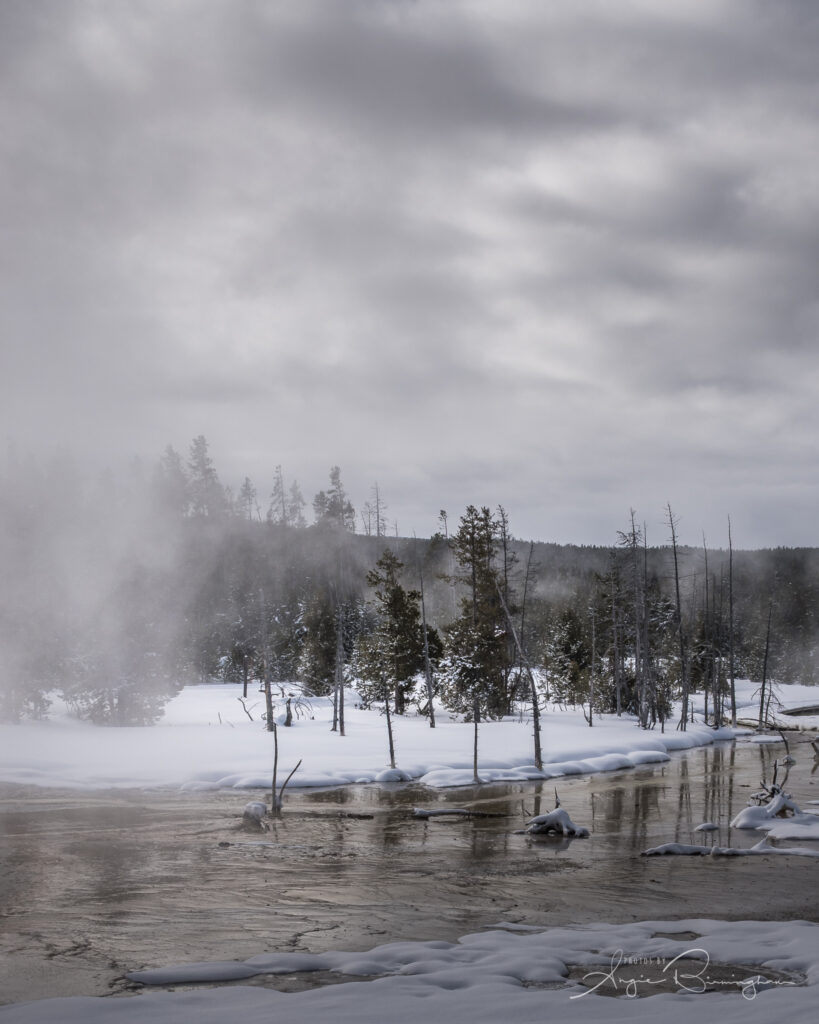
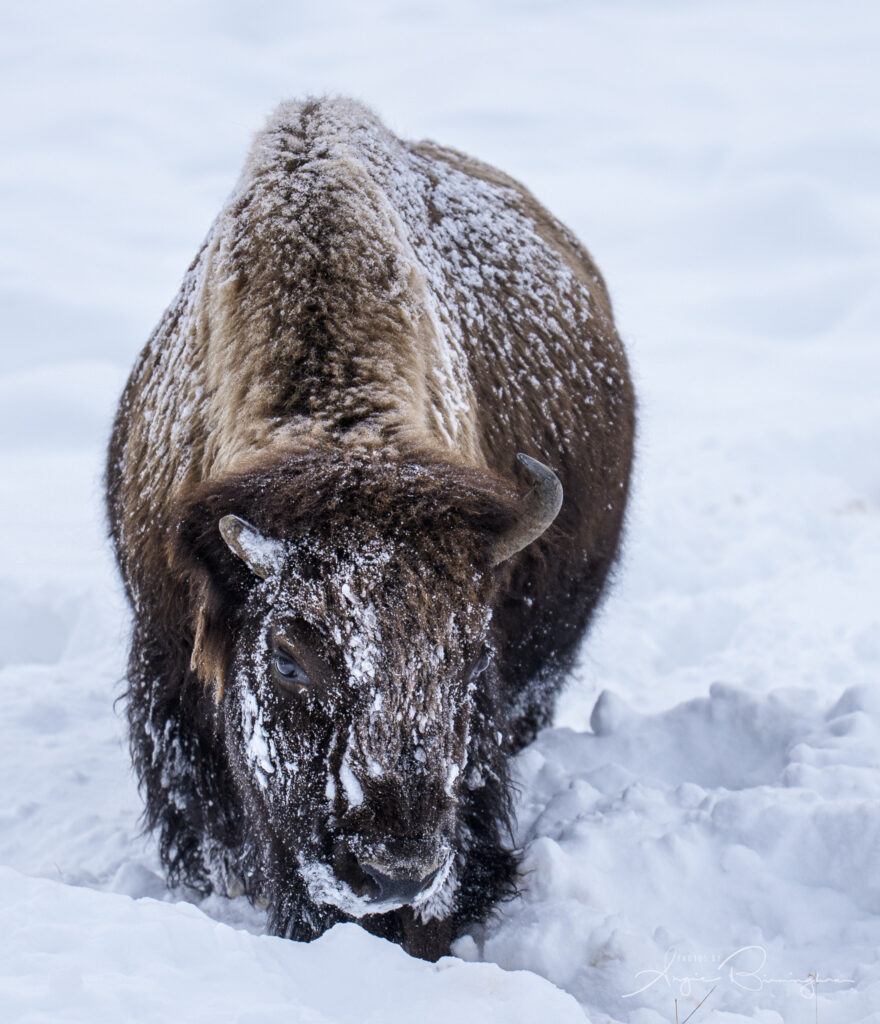
 Steam rises from the Firehole River while frost gathers on your tripod legs. A bison crosses the road with snow packed into its coat, and suddenly you understand why a winter Yellowstone photography workshop is not just a photography trip. It is an opportunity to work in one of the most dramatic wildlife settings in North America, with knowledgeable people nearby when the light changes fast, the animal moves closer, or your camera decides it would rather stay warm in the vehicle.
Yellowstone in winter asks more of photographers than a scenic drive in July. The rewards are enormous, but so are the variables: cold batteries, changing road conditions, wildlife at a distance, foggy lenses, and a landscape that can look beautifully simple until you try to expose all that snow. A good workshop helps turn those challenges into the very things that make your images and memories stand out.
Why Winter Changes Yellowstone Photography
Winter strips Yellowstone down to its essentials. Snow simplifies busy backgrounds. Bare trees reveal the shape of the land. Thermal basins create layers of steam and color, and low-angle light can linger far longer than it does during a summer afternoon. Wildlife is often easier to spot against the snow, but that does not mean it is always close or predictable.
Bison, elk, foxes, bald eagles, trumpeter swans, otters, and coyotes may all be part of the story. Wolves are a possibility, not a promise. That distinction matters. A responsible wildlife photography experience should never sell a guaranteed animal encounter, especially in a place as wild as Yellowstone. Your goal is to prepare for what the park offers each day and to make strong photographs from the conditions in front of you.
That could mean a classic bison portrait with a snowy muzzle. It could also mean a wide landscape of steam drifting across a frozen valley, an intimate detail of ice along a riverbank, or a bird perched in a frosted tree. The photographers who come home happiest are usually the ones who arrive with a wish list but remain open to surprises.
 What You Learn in a Winter Yellowstone Photography Workshop
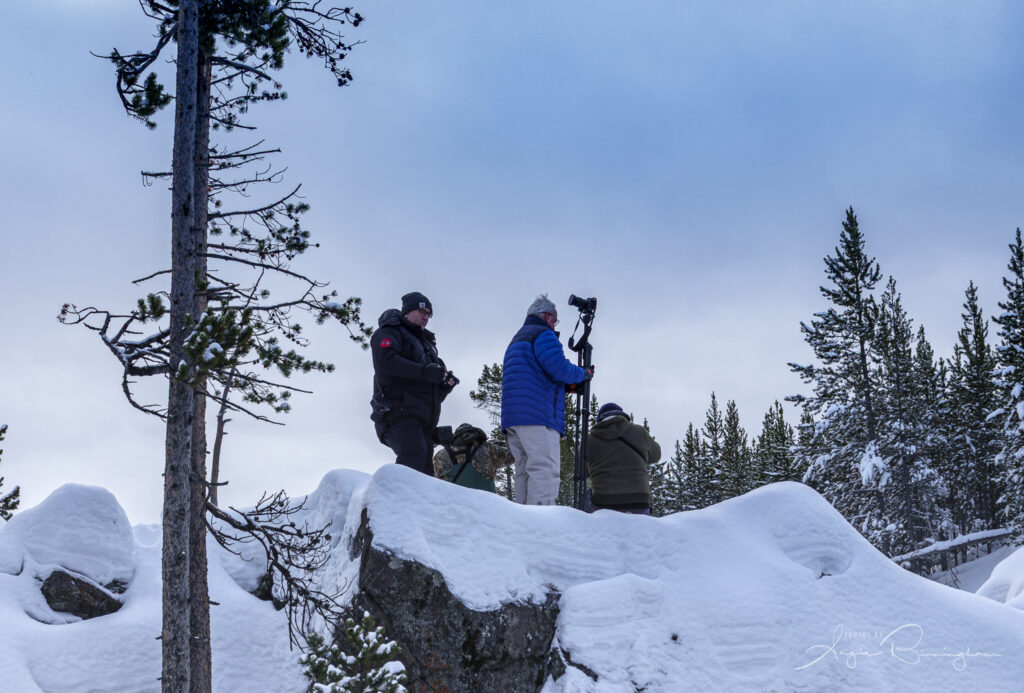
A workshop should be more than a ride to popular locations. The real value is having an instructor help you make decisions in the field when there is no pause button and no perfect lighting diagram.
Snow is a particularly good example. Cameras often see a bright snowy scene and try to make it middle gray, leaving the photograph dull and underexposed. You will learn to read your histogram, use exposure compensation or manual exposure with confidence, and protect important highlights without turning clean snow into a muddy gray mess.
Wildlife introduces a different set of decisions. You may need a fast shutter speed for a running fox, a carefully chosen focus area for an animal partly hidden by brush, and an aperture that separates the subject from a chaotic background. You will also learn when to slow down. A stationary bison in falling snow may call for a more thoughtful composition than rapid-fire shooting.
Field coaching is especially useful for photographers who understand the basics at home but freeze up a little when the action begins. That is normal. A patient instructor can help you identify why your focus is missing, set up back-button focus if it works for you, or simplify your settings so you spend less time digging through menus and more time watching the wildlife.
At Jeff & Angie Photography, the emphasis is on meeting photographers where they are. You do not need to arrive knowing every camera button by heart. You do need to be ready to ask questions, practice, and let the experience stretch your confidence a bit.
The Gear That Helps, Without Overpacking
You do not need every lens ever made to photograph Yellowstone in winter. You do need equipment you know how to use and a practical plan for working in cold temperatures.
A telephoto lens is valuable for wildlife, both for image-making and for keeping a respectful, legal distance. Depending on your camera system, something in the 100-400mm, 150-600mm, or 200-600mm range is a flexible choice. A shorter lens is equally worthwhile for environmental wildlife portraits, snowy landscapes, geothermal features, and those big scenes where the animal is only one small part of the frame.
Bring at least one spare battery and keep extras warm in an inside pocket. Cold weather drains battery power quickly, even when a battery indicator claims everything is fine. Memory cards, a microfiber cloth, a lens hood, a rain or snow cover, and a sturdy tripod round out a useful kit. A tripod is not required for every wildlife moment, but it is excellent for landscapes, telephoto work from a stable position, and low-light conditions.
The best gear choice depends on your comfort level. If a giant zoom lens is too heavy to handhold or makes you hesitant to shoot, it may not serve you as well as a lighter lens you can use confidently. Before the trip, practice changing settings with gloves on. That small bit of preparation can save a lot of fumbling when a fox appears along the roadside.
Staying Comfortable Is Part of Making Better Photos
Cold hands and wet feet can turn even a dream location into a long day. Dress in layers, starting with a moisture-wicking base layer, then insulating layers, and a windproof, waterproof outer layer. Warm boots with room for thick socks, a hat, neck gaiter, and quality gloves are not optional luxury items. They are part of your camera kit.
Many photographers like a thin liner glove for operating controls and a larger insulated glove or mitten for waiting between shots. Chemical hand warmers can help, but they are not a substitute for proper layers. If your core is cold, everything becomes harder.
Be ready for condensation, too. Moving a cold camera into a warm vehicle or building can cause moisture to form on the gear. Keeping the camera in a sealed bag while it warms gradually can reduce the issue. It is not glamorous advice, but neither is waiting for a fogged-up lens to clear while the best light disappears.
 How Small-Group Instruction Makes a Difference
Yellowstone can feel enormous, and photography can feel complicated when you are trying to manage location, light, weather, wildlife behavior, and camera settings at once. Small groups make room for individual attention. You can ask, “Why is my snow blue?” or “Which autofocus mode should I use here?” without feeling like you are holding up the whole day.
They also create better learning moments. One participant may spot an angle you missed. Someone else may ask the exact question you were afraid was too basic. A good workshop environment is supportive, not competitive. We are all there because if it happens outdoors and involves a camera, we are all in.
We appreciate your understanding and flexibility with the daily plan. Weather, wildlife activity, road access, and light should influence where the group goes and how long it stays. A rigid itinerary may look tidy on paper, but nature rarely checks the schedule. The best approach is to stay safe, be patient, and adapt to what is happening.
Questions to Ask Before You Reserve
Before choosing a workshop, ask how many photographers are in the group, what kind of transportation is used, how much walking is expected, and whether the itinerary is built around photography rather than simply sightseeing. It is also fair to ask what level of instruction is offered and whether help is available with your specific camera system.
Ask about lodging, meals, weather contingencies, cancellation policies, and what happens if a location is inaccessible. Clear answers are reassuring. Winter travel involves variables, and honest expectations are far more helpful than a glossy promise that every day will go exactly as planned.
You should also consider your own goals. If you want a relaxed introduction to winter wildlife photography, look for a workshop that welcomes beginners and advanced beginners. If you already shoot regularly and want to refine composition, animal behavior awareness, and technical consistency, choose one with enough field time and individual feedback to challenge you.
Make Space for the Moments Between the Big Shots
The photographs everyone hopes for matter. So does the quiet hour before sunrise, the sound of bison breathing in the cold, and the shared laugh when a perfectly planned shot is interrupted by blowing snow. Yellowstone in winter has a way of rewarding attention.
Bring your camera, dress for the day, and keep your expectations flexible. The image you remember most may be the one you never knew to put on your list.