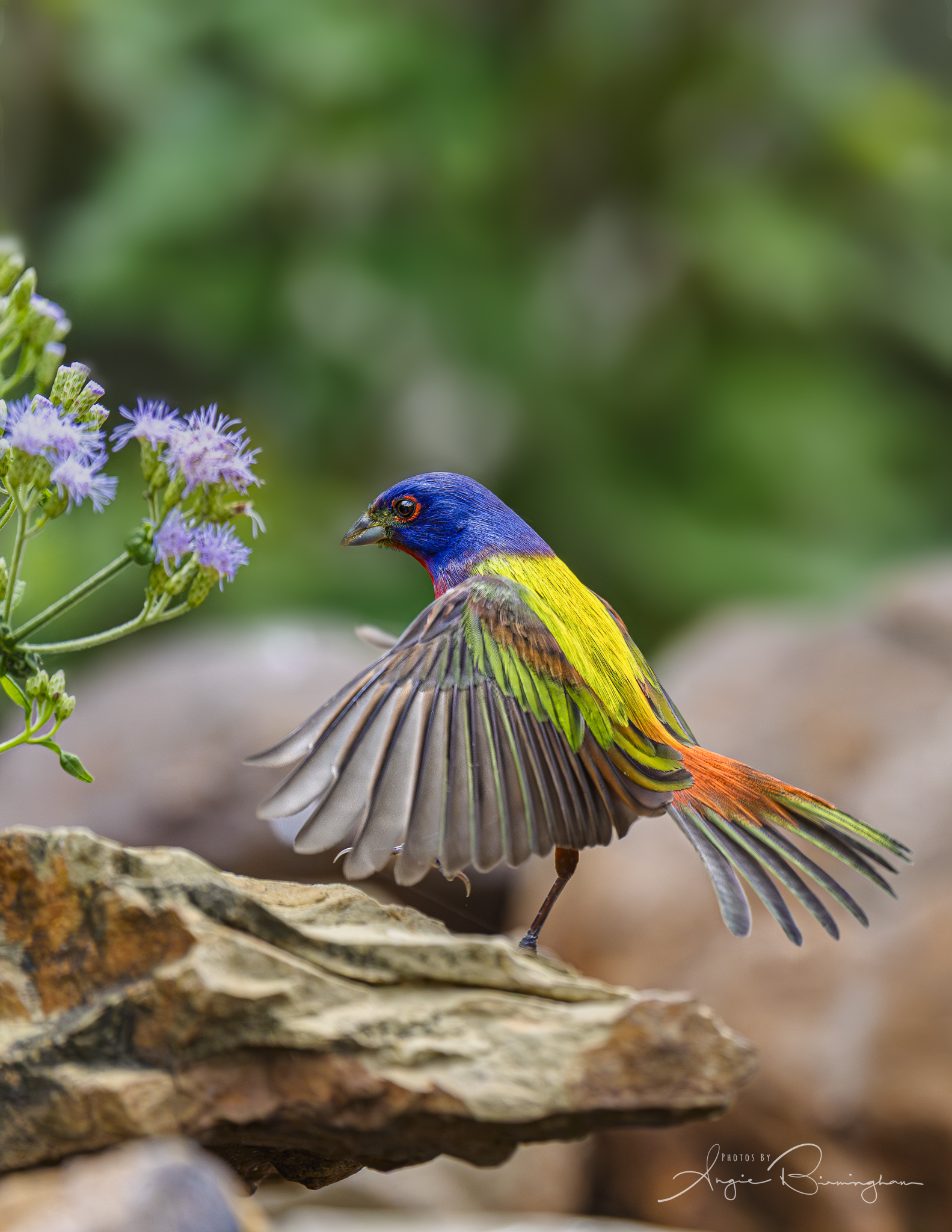
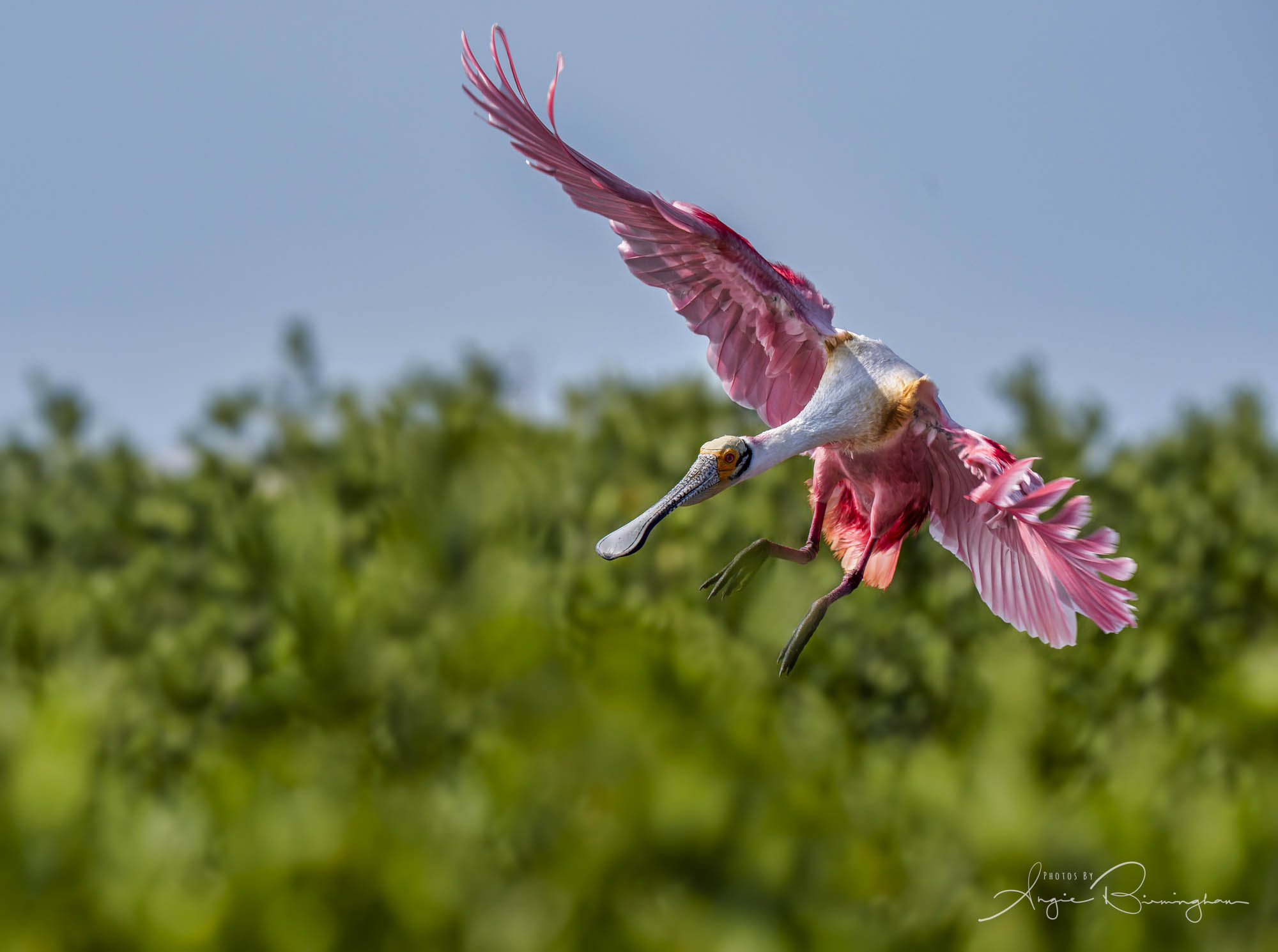
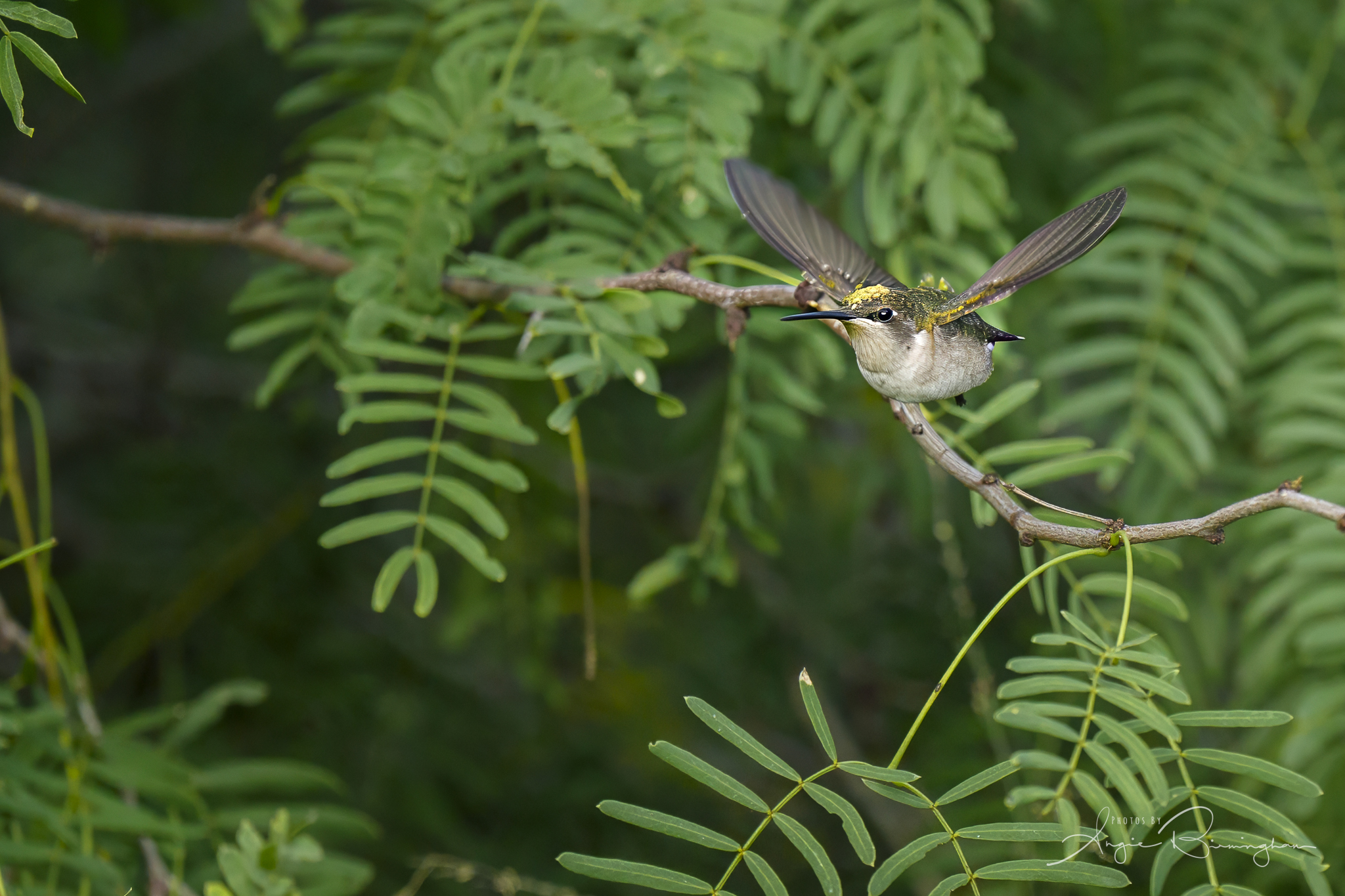
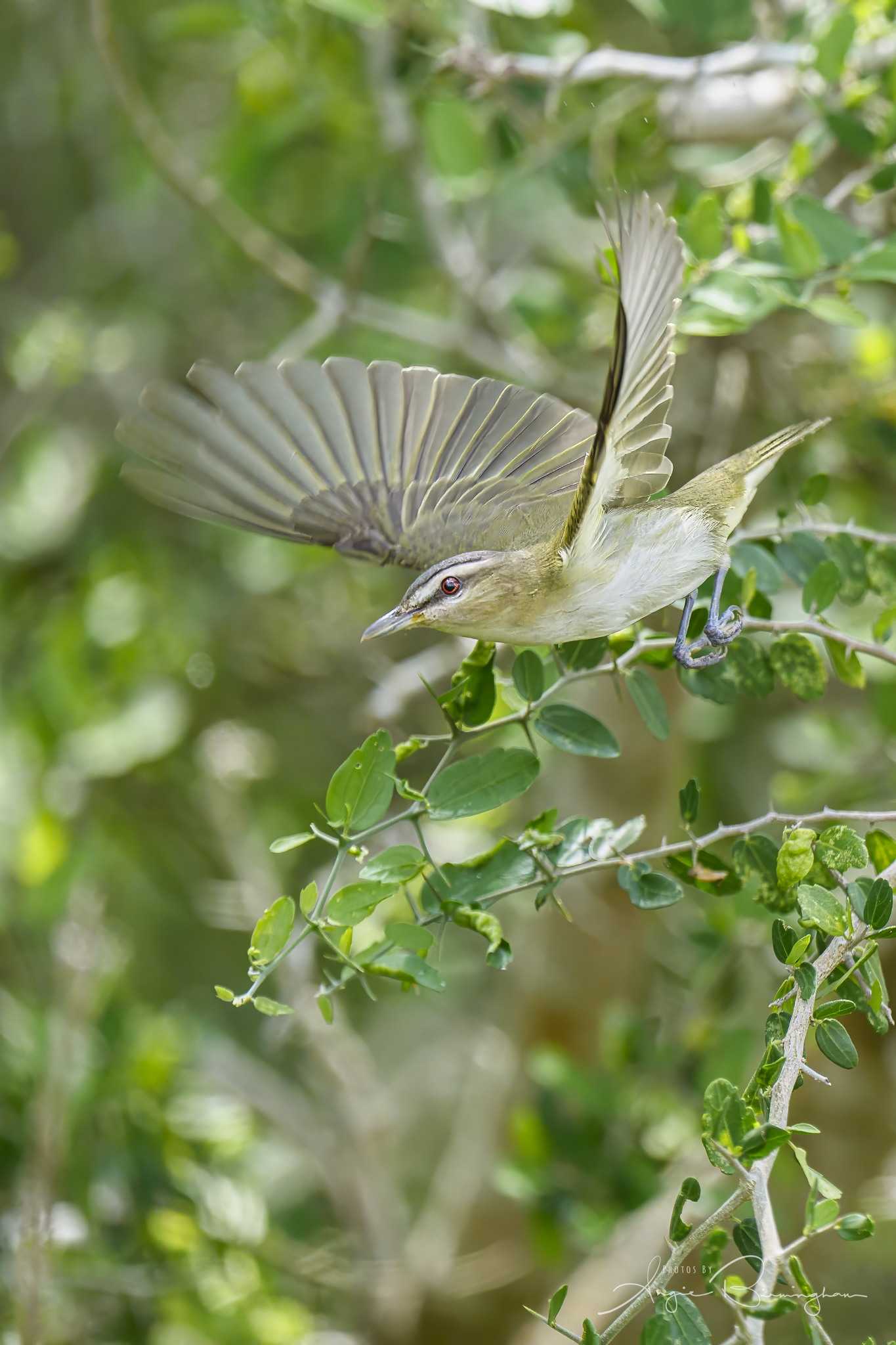
Learn bird photography from the ground up with Angie Birmingham, a PPA Master of Photography and award-winning wildlife photographer. Whether you’re picking up a camera for the first time or you’ve been shooting for years and want to sharpen your bird photography skills, this masterclass walks you through everything — camera settings, field techniques, composition, editing, and the ethical practices that set great bird photographers apart.
This isn’t a quick tips video or a surface-level tutorial. It’s a complete, step-by-step masterclass designed to help you build real confidence behind the camera and come home with bird photos you’re proud of.
Here’s what we cover:
Beginners — If you’ve got a camera and a love for birds but you’re not sure where to start, this masterclass meets you right where you are. We break down every setting and technique in plain English — no jargon, no assumptions. You’ll walk away knowing exactly what to do the next time you’re in the field.
Enthusiasts and hobbyists — If you’ve been photographing birds for a while but feel stuck — blurry shots, inconsistent focus, or just not getting the images you see in your head — this masterclass helps you break through. We cover the advanced techniques that take your bird photography from good to gallery-worthy.
All ages and skill levels — Jeff and Angie have taught photographers from 8 to 80. Our small-group, hands-on teaching style means every participant gets personal attention and real-time feedback. Y’all bring the enthusiasm — we’ll bring the guidance.
Bird photography has been Angie’s passion for over a decade. As a PPA Master of Photography — one of the highest credentials in the professional photography industry — she brings a level of formal expertise that few wildlife photography instructors can match.
Angie has been featured on the Sony Alpha Photographers / iHeart Radio podcast, the PPA PhotoVision podcast, and in Professional Photographer Magazine. She’s a featured speaker at Imaging USA 2026, Birdiest Festival, Hummingbird Festival and has guided bird photography tours through South Texas, Caddo Lake, Yellowstone, Alaska, Costa Rica, and beyond. She also leads South Texas wildlife photography workshops for photographers looking to develop their skills through hands-on field instruction.
What sets Angie apart isn’t just the credentials — it’s her teaching style. She’s warm, patient, and genuinely invested in every student’s growth. She teaches the way she wishes someone had taught her: with honesty, encouragement, and zero gatekeeping you get a direct line to her.
This is one of the most common questions we get, so here’s a quick cheat sheet. The full masterclass covers each of these in depth.
| Situation | Shutter Speed | Aperture | ISO (set auto) Ideal is listed below |
|---|---|---|---|
| Perched birds (stationary) | 1/500 – 1/1000 | f/5.6 – f/8 | 200 – 800 |
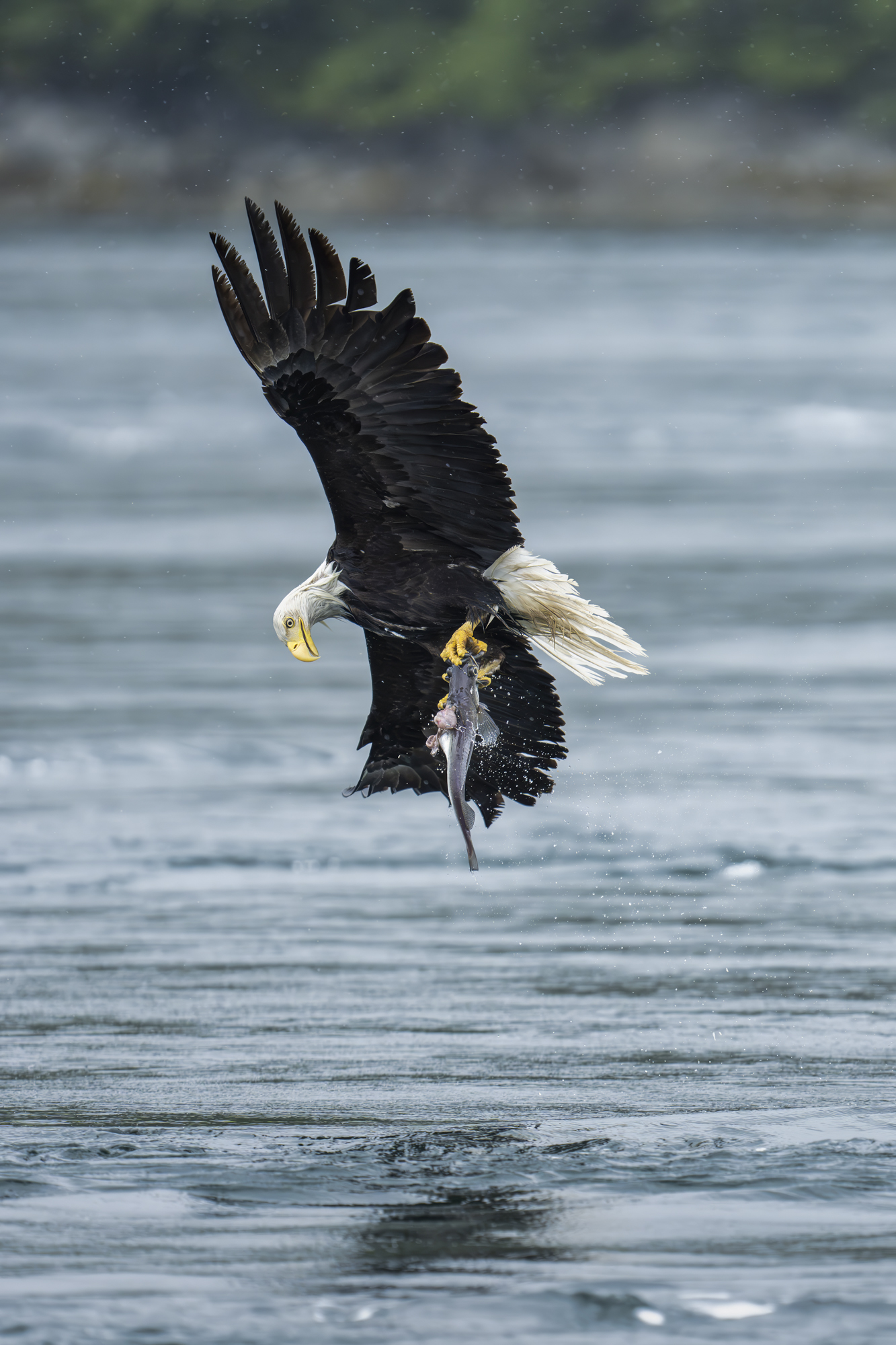
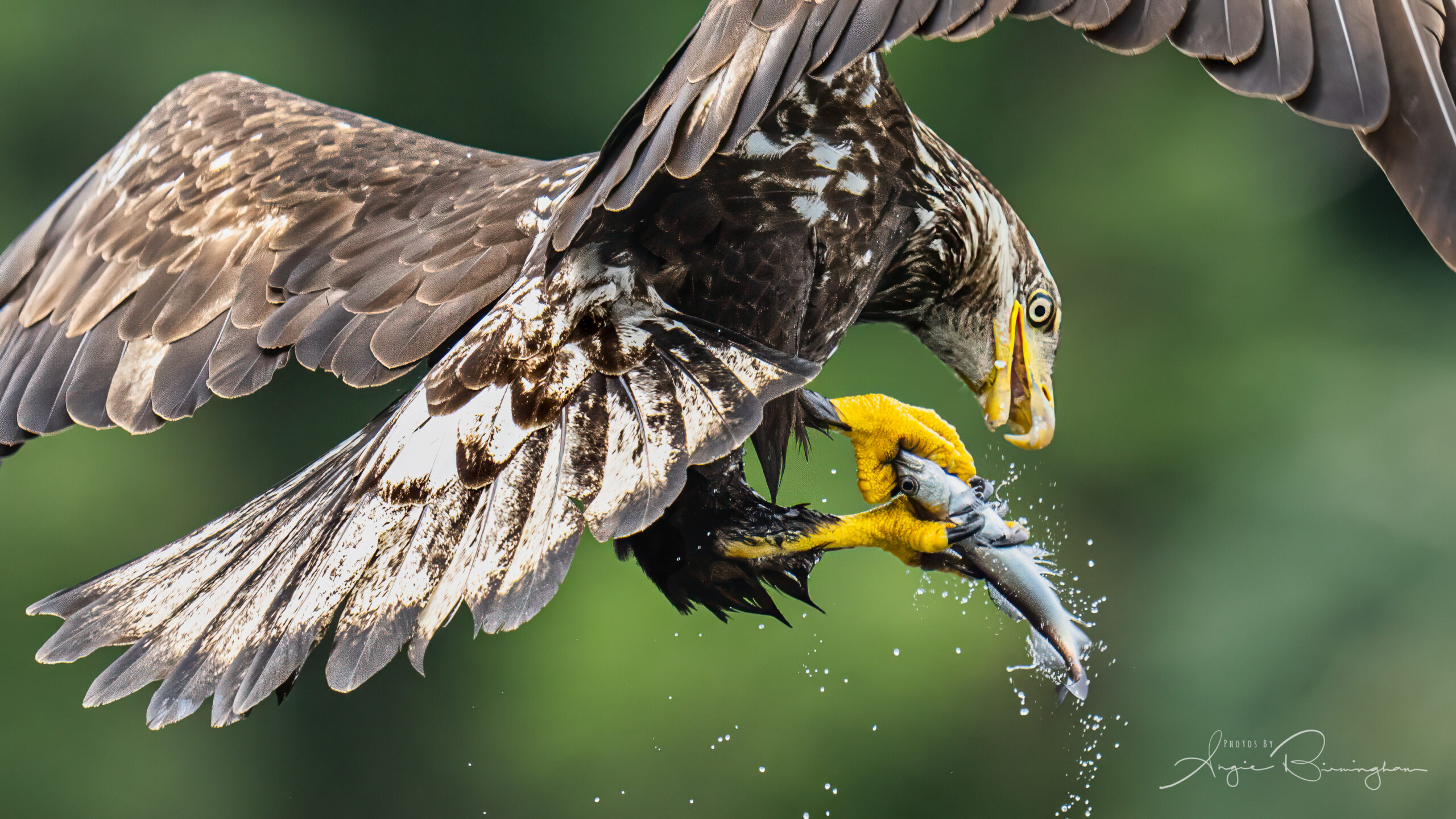
| Birds in flight | 1/2000 – 1/4000 | f/4 – f/5.6 | 400 – 1600 |
| Low light (early morning/overcast) | 1/500 – 1/1000 | f/4 – f/5.6 | 800 – 3200 |
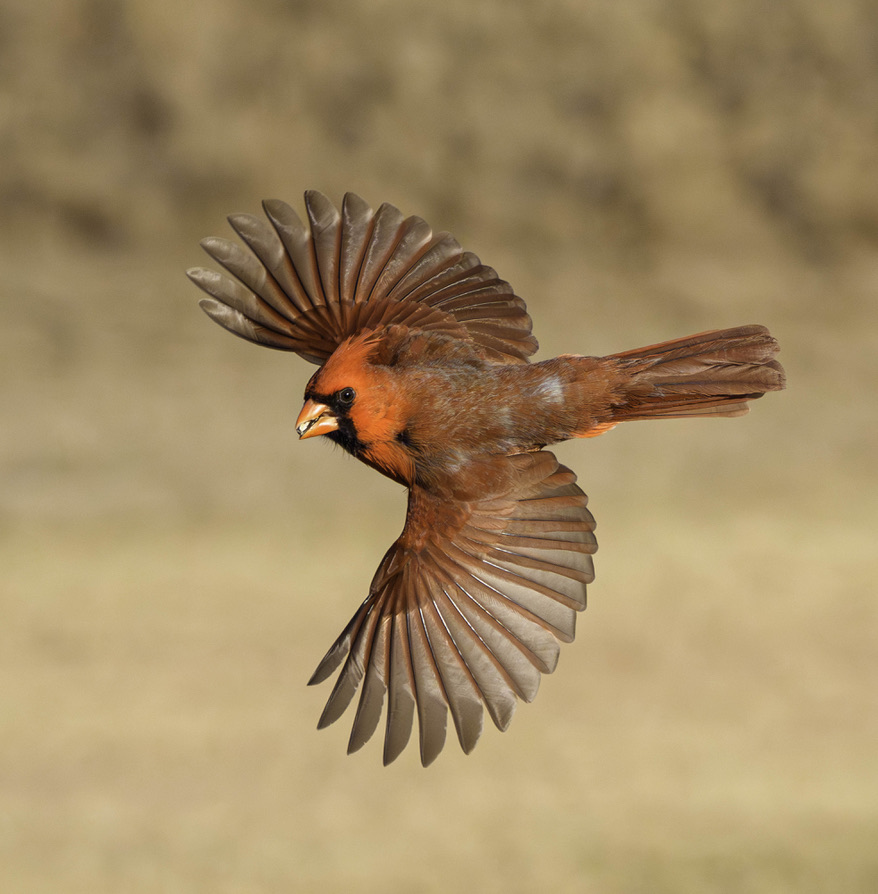
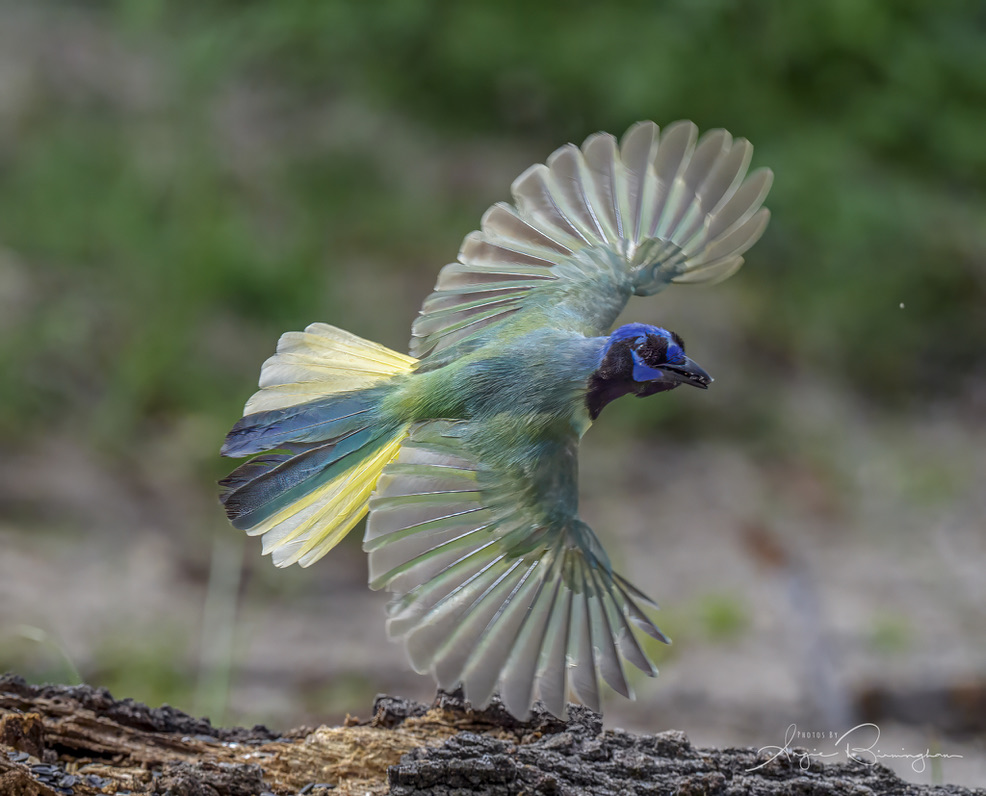
| Small birds (fast movement) | 1/2000+ | f/4 – f/5.6 | 400 – 1600 |
| Songbirds at feeders | 1/1000 – 1/2000 | f/5.6 – f/8 | 400 – 800 |
These are starting points — the masterclass teaches you how to adjust based on your specific camera, lens, and lighting situation.
Here are a few of our favorite bird photography tips to get you started. The masterclass covers dozens more in full detail.
You don’t need the most expensive gear to start — but the right equipment does make a difference. Here’s what we recommend:
The masterclass includes detailed gear recommendations for every budget — from starter setups to professional rigs.
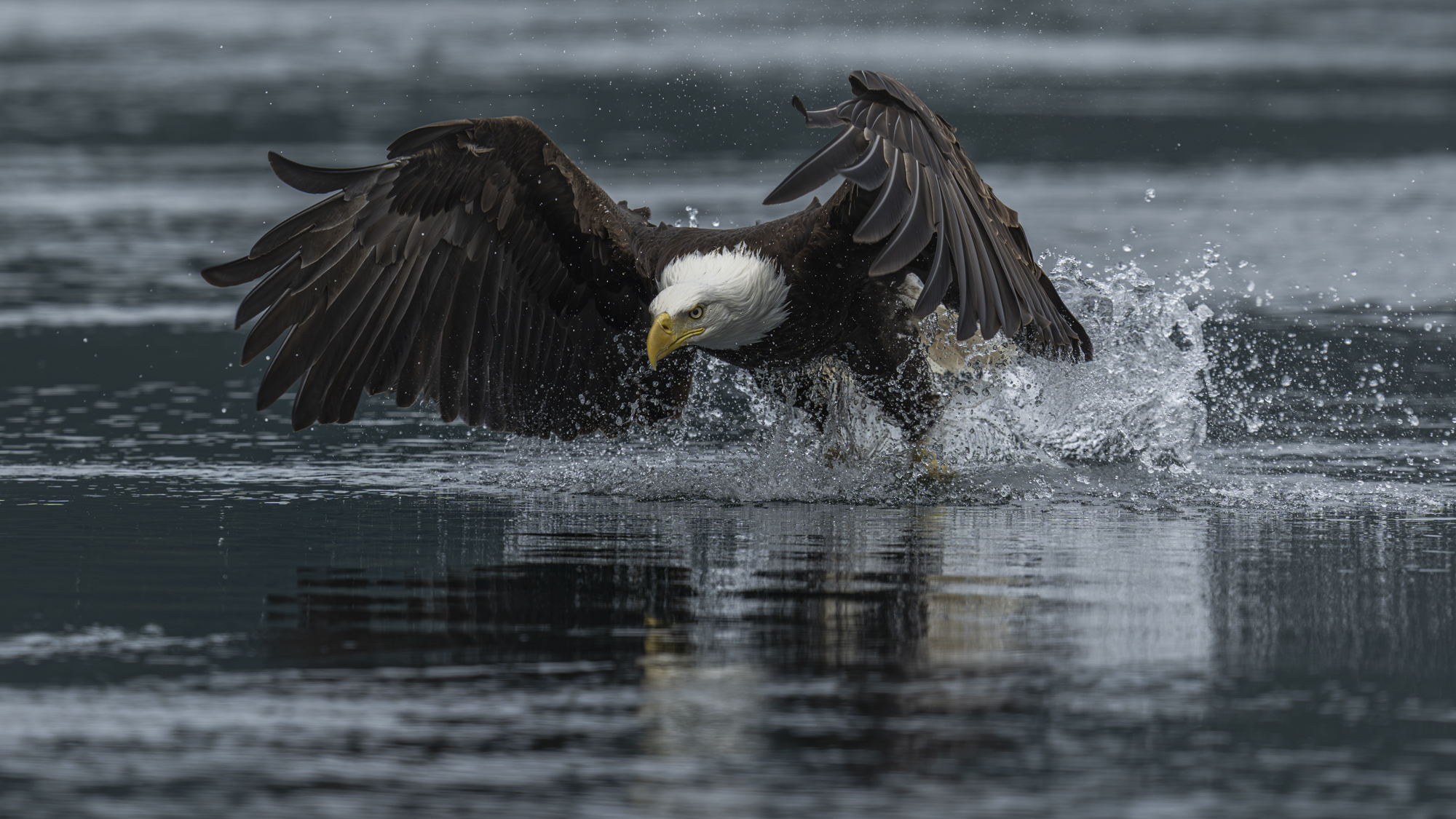










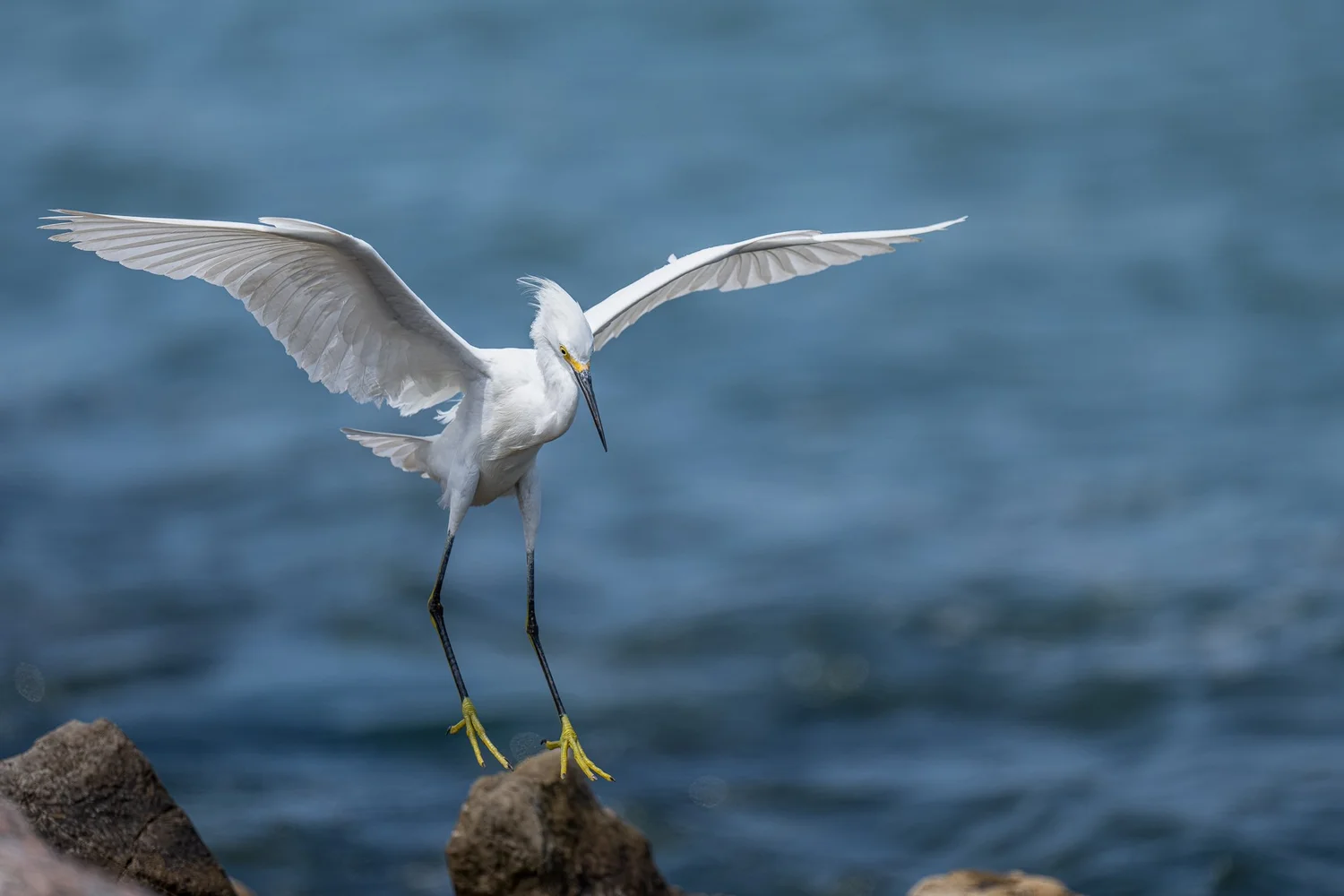
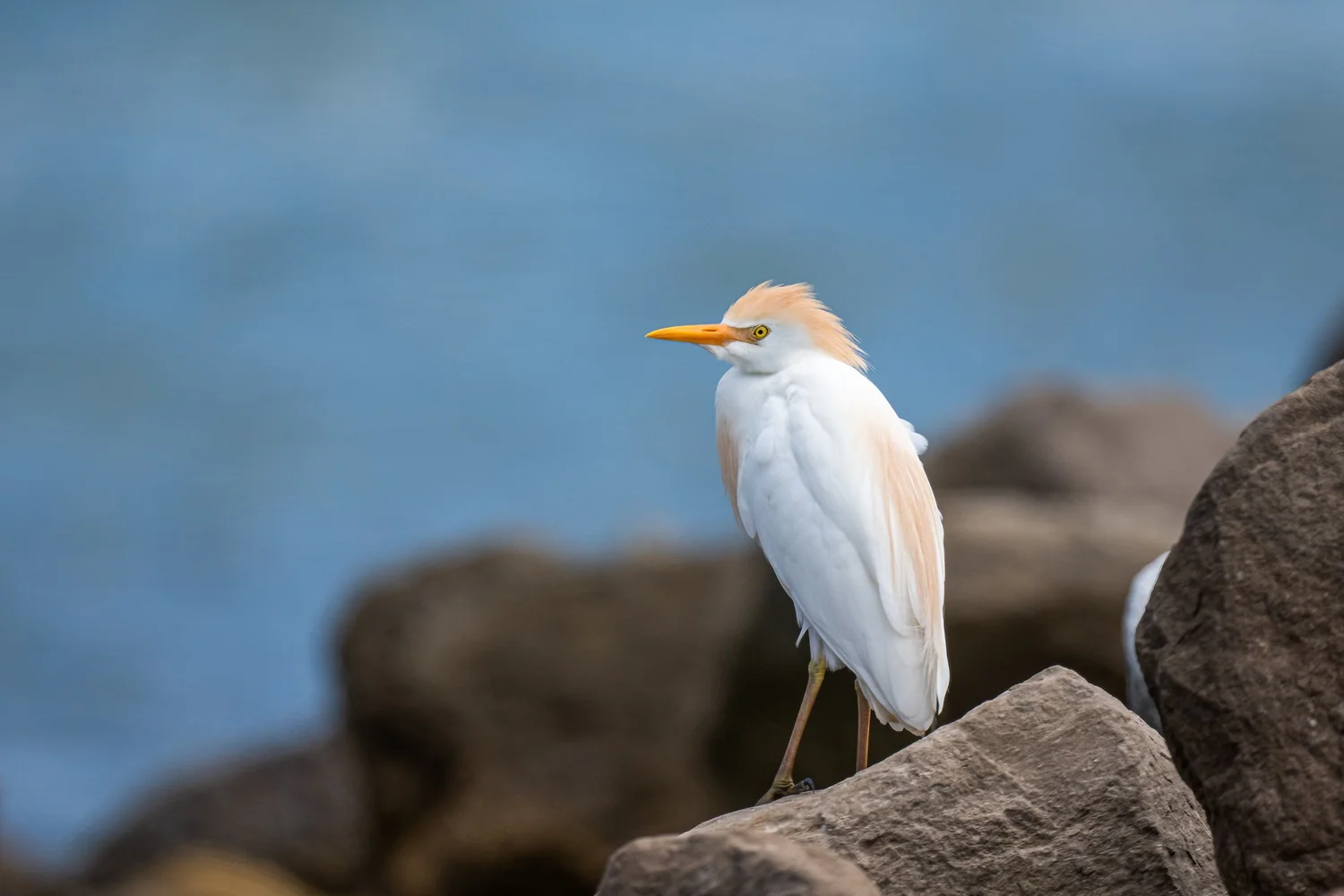
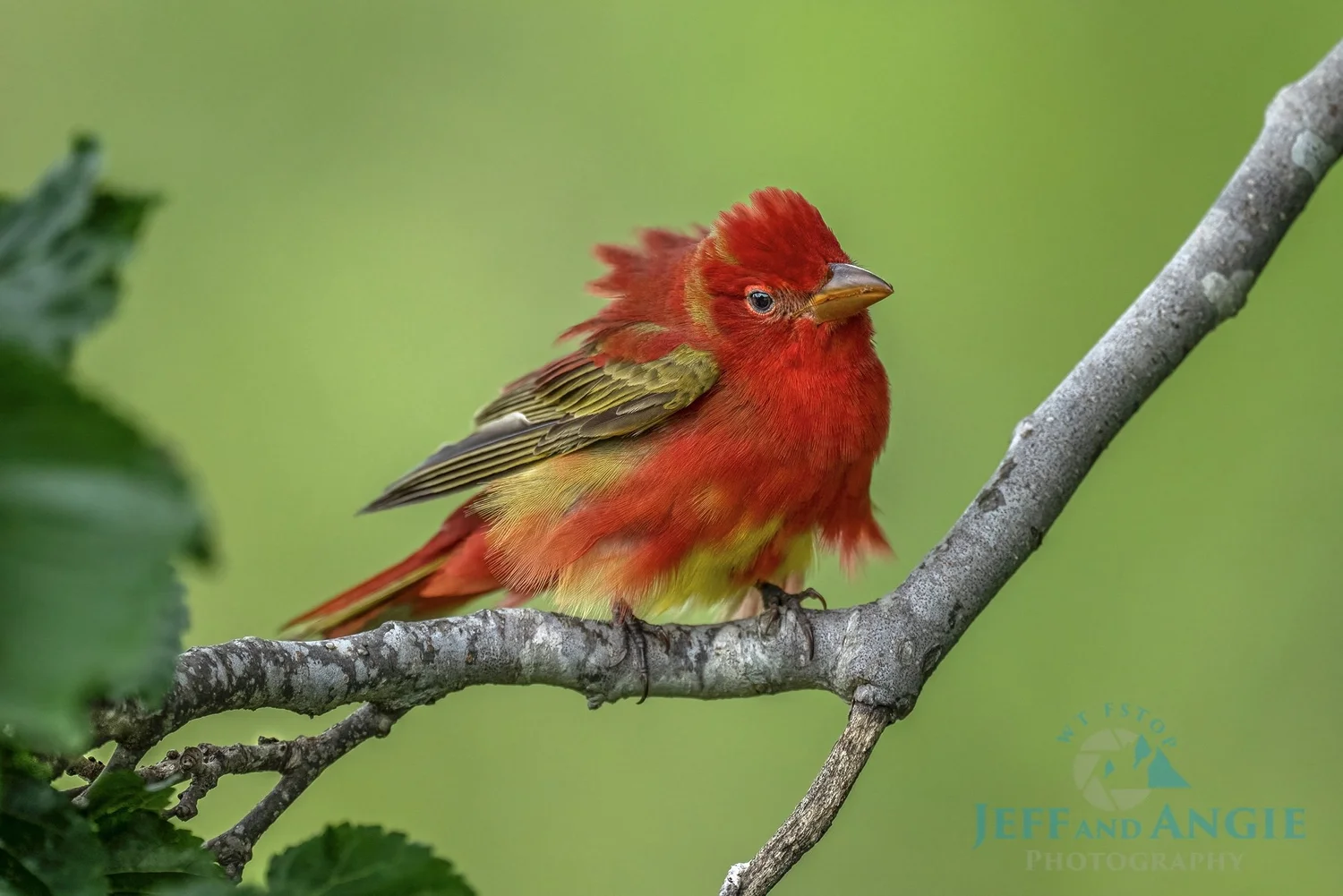
“My experience with Jeff and Angie Birmingham’s Canadian Eagle Adventure was phenomenal. I have never seen so many eagles in one place—it truly lived up to the name “The Eagle Show.” Angie was incredibly helpful, making sure my camera settings were dialed in so I could capture the best possible images. Along the way, we were also treated to unforgettable encounters with bears and whales, making the entire trip even more special. Each evening, we had time to process our photos, review our camera settings, and learn from Jeff and Angie’s wealth of knowledge. They are exceptional photographers, patient teachers, and generous with their expertise, always willing to answer questions and help everyone improve. This adventure exceeded my expectations in every way. I came home with wonderful photographs, new skills, and amazing memories. I can’t wait to join Jeff and Angie on another photography adventure!.”
“I started getting serious about birding and wildlife photography in February this year. I met Angie and started working with her not long after. She is encouraging and has really helped me improve with my photography! I recommend her groups and mentorship fully! She is awesome!.”
“This was truly the trip of a lifetime. We traveled to British Columbia to witness and photograph an incredible variety of wildlife, including bald eagle, coastal bears, dolphins, whales, and much more. Everyday brought unforgettable experiences and amazing photographic opportunities. The trip was exceptionally well organized from start to finish, allowing us to focus on enjoying the experience and capturing incredible images. Jeff and Angie were outstanding hosts always available to answer questions, provide photographic tips and help everyone get the best possible shots. Their knowledge, patience, and enthusiasm made the trip even more rewarding. If you’re looking for an unforgettable wildlife adventure I highly recommend traveling with Jeff and Angie. I can’t wait for the next trip..”
For perched birds, start with 1/500–1/1000 shutter speed, f/5.6–f/8 aperture, and ISO 200–800. For birds in flight, use 1/2000–1/4000 shutter speed, f/4–f/5.6 aperture, and ISO 400–1600. The masterclass teaches you how to adjust these settings for any situation — lighting, bird size, movement, and your specific gear.
No. While a 500mm or 600mm prime lens is ideal for professional work, many excellent bird photos are taken with 100–400mm or 200–600mm zoom lenses that cost a fraction of the price. The masterclass covers gear recommendations for every budget, from beginner to pro.
Absolutely. We designed the masterclass to meet you wherever you are. Beginners learn the fundamentals from scratch — no prior knowledge required. More experienced photographers can skip ahead to advanced techniques. Everyone gets personal attention and feedback.
The masterclass is self-paced, so you can work through it on your schedule. Most students complete it over 4–8 weeks, but you have ongoing access to revisit lessons anytime.
The masterclass covers bird photography fundamentals in a structured, self-paced format — camera settings, techniques, editing, and theory. Our in-person bird photography workshops take those skills into the field with hands-on guidance in incredible locations like South Texas, Caddo Lake, and Costa Rica. Many students start with the masterclass and then join a workshop to practice in person.
Yes — it’s woven throughout the masterclass, not just a single lesson. We believe ethical wildlife photography isn’t optional. You’ll learn how to photograph birds without disturbing them, how to respect nesting sites and sensitive habitats, and why ethical practices actually make you a better photographer.
Yes. The masterclass includes opportunities to submit your photos for review. Jeff and Angie personally look at your work and give you specific, actionable feedback. If you’re looking for more individualized guidance, our one-on-one photography mentorship provides additional support tailored to your photography goals.
Join Jeff and Angie’s Bird Photography Masterclass and start capturing bird photos you’re truly proud of. Learn at your own pace, get personal feedback, and join a community of photographers who share your passion.
Questions? Email us at info@jeffandangiephotography.com or call (361) 396-9665. We’re happy to help y’all figure out if this masterclass is the right fit.