
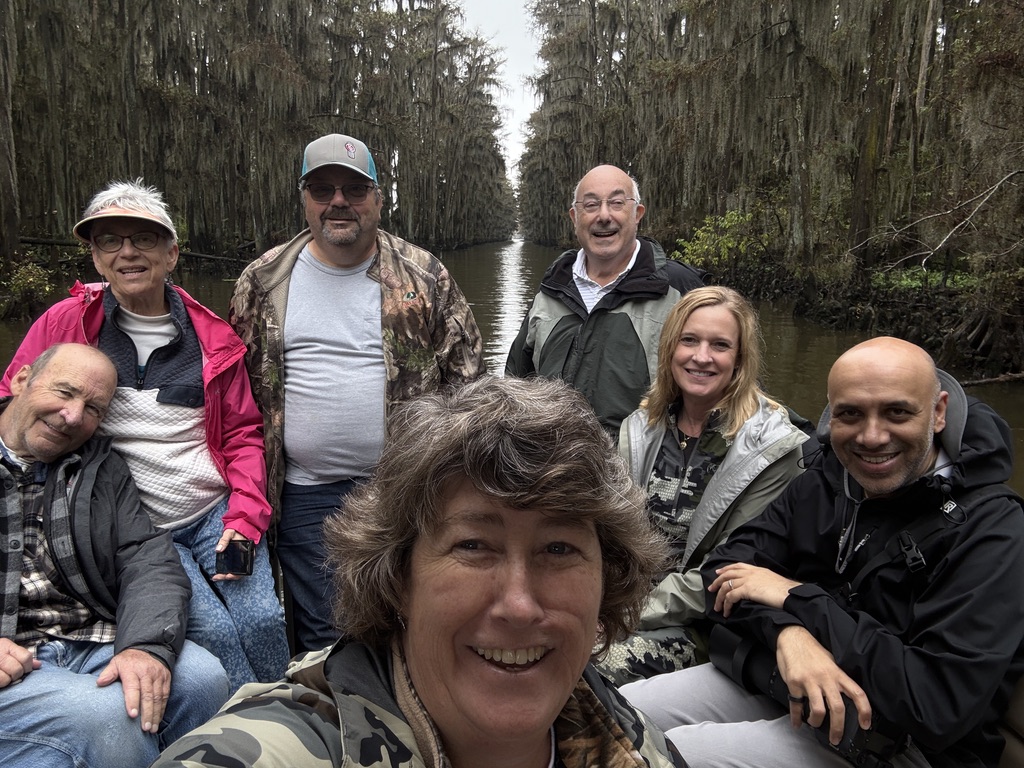
 The best photograph of the trip is not always the one you expected. It might be a fox stepping into fresh Yellowstone snow, a roseate spoonbill catching the first warm light of morning, or a misty cypress scene at Caddo Lake that makes you forget your coffee is getting cold. Small group photography retreats create room for those moments while giving you someone nearby who can help you turn a promising scene into a photograph you are genuinely proud to share.
That combination matters. A beautiful destination alone does not automatically make better images. Wildlife moves fast, weather changes its mind, and camera menus can feel awfully complicated when the bird finally lands on the branch you wanted. A well-run retreat gives you time in the field, personal instruction when it matters, and a group that understands why stopping for one more frame makes sense.
A smaller group changes the learning.
There is a practical difference between traveling with a crowd and photographing with a small group. In a large workshop, an instructor may offer excellent presentations and general direction, but there are only so many people one person can help when the light is changing by the second. In a smaller setting, instructors can see what is actually happening with your camera, your position, and your approach to the subject.
Maybe your eagle images are soft because your shutter speed is too low. Maybe they are soft because the autofocus focused on the background instead of the eagle. Those are different problems, and they need different fixes. Personal field coaching helps you identify the real issue instead of going home thinking you simply need a more expensive lens.
Small groups also make it easier to ask the question you’ve been holding back: “What does this button do?” “Why is my sky blown out?” “How are you choosing that focus mode?” There are no bad questions in the field. Everyone started somewhere, and most experienced photographers still ask plenty of questions when conditions get weird. They do get weird. That is part of the fun.
What small group photography retreats teach in real conditions
Online courses, books, and videos can be tremendously helpful. They let you learn at your pace and revisit a concept as often as you need. But a retreat adds the piece that is hardest to reproduce from home: applying technique when the subject is moving, the wind is blowing, and the light is not following the plan.
A powerful field-based retreat is more than just a picturesque path with cameras. It connects photography lessons to the scene in front of you. When photographing a white bird against a dark marsh, you may need to modify exposure compensation. You could practice back-button focus while a deer walks across the grass. You might see why a tripod helps with a slow-shutter landscape, but when a handheld approach seems more suitable, you might decide to leave it in the car.
It’s important to emphasize that final point. Photography is not a list of rules to obey. It is a series of decisions based on light, behavior, location, and your creative goal. The instructor’s job is not to make every participant shoot exactly the same way. It is to help you understand your choices and use your gear with intention.
Wildlife and bird photography reward patience.
Birds and wildlife do not perform on command, no matter how politely we ask. A small-group experience allows the schedule to remain flexible enough to take advantage of unexpected opportunities. If a particularly compelling subject appears, the group can slow down. If weather makes one location less productive, the guide can adjust.
It also gives you more help with the skills that make a real difference in wildlife photography: reading behavior, anticipating movement, choosing a clean background, staying aware of the light, and working ethically around animals. A close encounter is never worth stressing wildlife or crowding a habitat. The best instructors model respect for the subject along with technical know-how.
Landscapes benefit from unhurried attention.
Landscape photography asks for a different kind of patience. You may have a wonderful scene, but the image comes together only after you move a few feet, simplify the composition, wait for the clouds to shift, or decide that the photograph is really about texture rather than the entire view.
In a smaller group, you are less likely to feel rushed through that process. An instructor can help you notice distracting edges, choose a focal point, and work through exposure choices without turning the experience into a technical lecture. Occasionally the right advice is highly specific. Occasionally it is simply, “Stay with that scene. You are onto something.”
The retreat should fit your current skill level.
Many photographers worry they are not “good enough” for a photography retreat. If you can bring a camera, are curious, and are willing to practice, you belong in the conversation. Beginners and advanced beginners often make major progress because they finally have a chance to use aperture, shutter speed, ISO, and autofocus with guidance instead of guessing alone.
Intermediate photographers benefit too, especially when they want more consistency. They may already understand the controls but want to improve timing, composition, processing decisions, or their ability to handle difficult light. The right retreat should meet people where they are, rather than making anyone feel like they must keep up with the loudest camera bag in the room.
Before reserving a spot, be honest about what you want from the experience. Do you want to move beyond automatic settings? Build confidence with a new mirrorless camera? Photograph birds in flight? Learn to create stronger landscape compositions? A retreat with clear expectations makes it easier to decide whether the destination, pace, and instructional focus are right for you.
What to look for before you reserve
The destination photos may be what catches your eye first, and they should. A winter wolf in Yellowstone or a sky full of cranes in Texas is difficult to ignore. Still, a memorable experience depends on more than the location. Look closely at how the workshop is organized and what kind of support it offers.
Ask about the group size, physical demands, transportation, lodging expectations, and how much time you will actually spend photographing. Find out whether instructors are available for gear questions before the trip and whether there is help with settings in the field. If you are flying, it is also useful to know how much walking, uneven ground, cold, heat, or early-morning travel the itinerary involves.
Transparent answers are a clear sign. Nature photography is adventurous, but it should not include surprises that you could have explained ahead of time. Weather may change plans. Wildlife sightings can never be guaranteed. Those are honest realities of outdoor photography, not failures of planning. What matters is whether the team has the experience, flexibility, and local knowledge to make the most of the conditions you are given.
The people matter as much as the place
A small group can become one of the best parts of a retreat. You spend early mornings together, compare favorite images over dinner, and celebrate when someone finally gets the shot they have been chasing. There is something reassuring about being surrounded by people who do not blink when you stop the car because the light just turned beautiful.
The goal is not competition. It is shared enthusiasm and individual progress. One participant may be thrilled to make their first sharp bird photograph. Another may be refining a portfolio image. Both wins deserve attention.
At Jeff & Angie Photography, that welcoming atmosphere is part of the point. Great photography instruction should feel focused and useful, but it should also leave room for laughter, fresh air, and the kind of travel memories that stay with you long after the memory cards are backed up.
Make the most of your time in the field
You do not need to arrive with every setting memorized. A little preparation helps, though. Bring the gear you know best, practice changing your basic exposure settings before the trip, and pack for the conditions rather than the photo you hope to make. Cold fingers, wet shoes, and an empty battery can end a good morning early.
Once you are there, give yourself permission to slow down. Instead of trying to photograph every subject, spend longer with a few. Watch how the light falls. Notice the background before the animal enters the frame. Ask for feedback while you can still make another attempt.
And when you return home, do not rush past the learning. Review your images with curiosity, not judgment. Keep the frames that make you smile, study the ones that missed, and choose one technique to practice on your next outing. The next memorable photograph may be much closer than your next big trip.