
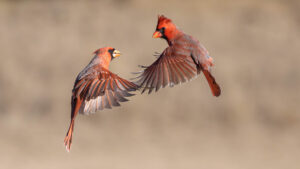
 The difference between a lucky bird photo and a photograph you meant to make often happens before the bird ever lands. You need your camera ready and your settings understood. Moreover, your eyes must be trained to notice the light, background, and behavior unfolding in front of you. A bird photography masterclass online can help you build those habits without waiting for your next big trip or perfect morning in the field.
For many photographers, birds test their camera confidence. They are quick, unpredictable, sometimes tiny in the frame, and almost always perched in the one spot with the messiest background. That is precisely why learning a repeatable process matters more than memorizing a handful of settings.
What an Online Bird Photography Masterclass Should Teach
A worthwhile course should do more than tell you to use a fast shutter speed. That advice is true, but it is only the beginning. Bird photography asks you to make several decisions quickly. For example, you must decide how to expose a white egret against dark water. You must decide where to place your autofocus point, when to raise your ISO, and whether the bird’s pose is becoming more compelling.
The best instruction explains the reasons behind each choice. If you understand why your shutter speed needs to change between a sleeping owl and a diving kingfisher, you are no longer dependent on a recipe. You can adapt when the light changes or when your subject does something wonderfully inconvenient.
A strong online class typically covers camera setup, autofocus modes, exposure decisions, composition, light, bird behavior, editing, and field ethics. It should also show real examples, including images that did not work. Seeing how an experienced photographer diagnoses a missed wing position, soft eye, cluttered perch, or overexposed feathers is incredibly useful. We all have a hard drive full of those lessons already. Therefore, it helps to know what they are trying to teach us.
Camera settings without the mystery
The technical side of bird photography can feel like a lot at first, especially if you have spent most of your time in Auto or Program mode. A good course makes the controls approachable. Afterward, you should come away knowing how aperture, shutter speed, and ISO work together. You should also know when to prioritize each one.
For a perched bird, you may choose a wider aperture to soften the background. You still want enough depth of field for the eye and head. For birds in flight, shutter speed becomes the priority, and ISO may need to rise to support it. There is no single perfect setting, and anyone who promises one is probably photographing very cooperative plastic flamingos.
Autofocus deserves special attention. Modern cameras offer remarkable subject detection and tracking tools, but they are not magic. You still need to know where the camera gets confused and how to select the right focus area. Furthermore, you should know how to react when branches, reeds, or waves sneak between you and your bird.
Field technique is part of the photograph
Bird photography is not just camera technique. It is how you approach a scene, where you stand, how patiently you wait, and whether you recognize a moment before it happens. An online masterclass can’t put you beside a snowy owl or guide your feet through a muddy Texas marsh. Even so, it can teach you what to look for when you arrive.
You might learn to watch for a bird’s body language before takeoff. Or, you may position yourself for a cleaner background or lower your perspective to create a more intimate image. You can learn why front light is forgiving, why backlight can be magical, and why a slightly different angle may turn a busy image into a simple, powerful one.
Ethics belong here, too. Great bird photography should never come at the expense of the bird’s welfare. A course should reinforce respectful distance, discourage disrupting nests or feeding behavior, and help you recognize signs that you are too close. The best image is never worth causing stress to a wild animal.
Can a Bird Photography Masterclass Online Replace Field Instruction?
Not entirely, and that is not a criticism of online learning. It is simply honest. Online education is excellent for building knowledge, practicing settings at home, studying image decisions, and learning at your own pace. You can pause a lesson, revisit an explanation, and work through the material on a rainy Tuesday night. Sometimes the birds are not exactly lining up on command.
Field instruction offers something different: real-time feedback in changing conditions. An instructor can look at your camera settings and see the light you are working with. Then, they might say, “Try moving three steps to your left” before the heron flies away. That kind of coaching is difficult to duplicate through a screen.
The two approaches work especially well together. Use an online course to understand the fundamentals and develop a plan. Then, when you join a workshop, visit a local refuge, or head to the backyard with your camera, you can spend more time making photographs and less time wondering which button you just pressed.
At Jeff & Angie Photography, that combination matters. We love the excitement of teaching outdoors in real conditions, but we also know that preparation builds confidence. When you understand your camera before the action begins, you are ready to enjoy the experience instead of feeling like you are chasing both the bird and your menu screen.
How to Get More From an Online Course
The biggest benefit does not come from watching every lesson in one weekend. It comes from practicing one skill at a time. Choose a nearby pond, park, feeder, or neighborhood trail, and give yourself a simple assignment. One morning, focus only on holding a steady shutter speed. Another day, practice finding clean backgrounds. On the next outing, work on placing the bird’s eye in sharp focus.
Keep your expectations realistic. Backyard birds are not “lesser” subjects. They are familiar, available, and perfectly suited for learning. A cardinal at a feeder can teach you exposure, focus, timing, and composition. A grackle in difficult light can teach you patience. Even a stubborn dove can help you practice before you meet something faster and more glamorous.
Review your images with curiosity rather than frustration. Ask what worked, what did not, and what you would change next time. If the eye is soft, consider whether your autofocus area was too broad or your shutter speed too slow. If the background is distracting, consider your shooting angle. If the bird is small in the frame, decide whether you need more focal length or simply a different composition.
Look for feedback, not just information
There is plenty of free bird photography advice floating around, and some of it is genuinely helpful. The challenge is sorting through conflicting opinions unless you know which advice applies to your camera, experience level, or shooting situation.
That is where feedback can make a course much more valuable. Image critiques, question-and-answer sessions, and direct access to instructors can shorten the learning curve because they connect general principles to your actual photographs. A skilled teacher will not just say an image is wrong. They will help you see what to try next.
Before choosing a class, consider whether you learn best through video demonstrations, downloadable guides, assignments, live sessions, or personal critique. Also pay attention to the instructor’s teaching style. Technical knowledge matters, but patience matters too. You should feel comfortable asking the question you think everyone else already knows. Chances are, several people are wondering the same thing.
Who Benefits Most From Online Bird Photography Training?
An online class can be a particularly good fit if you are new to wildlife photography, returning to photography after time away, or ready to move beyond point-and-shoot results. It is also useful for intermediate photographers who understand their camera but want more consistency with birds in flight, exposure, or composition.
It may be less satisfying if you are looking only for a preset or a shortcut. Bird photography rewards repetition. The course can give you direction, but the confidence comes from being outside, making decisions, missing a few shots, and trying again. That is part of the fun, even when the bird chooses the exact second you look down to change a setting.
Give yourself permission to learn slowly. Start with the birds close to home; carry your camera often; and celebrate the small improvements that add up: a sharp eye, a clean background, and a wing position you anticipated instead of chased. Those moments are how your photographs begin to feel like your own.