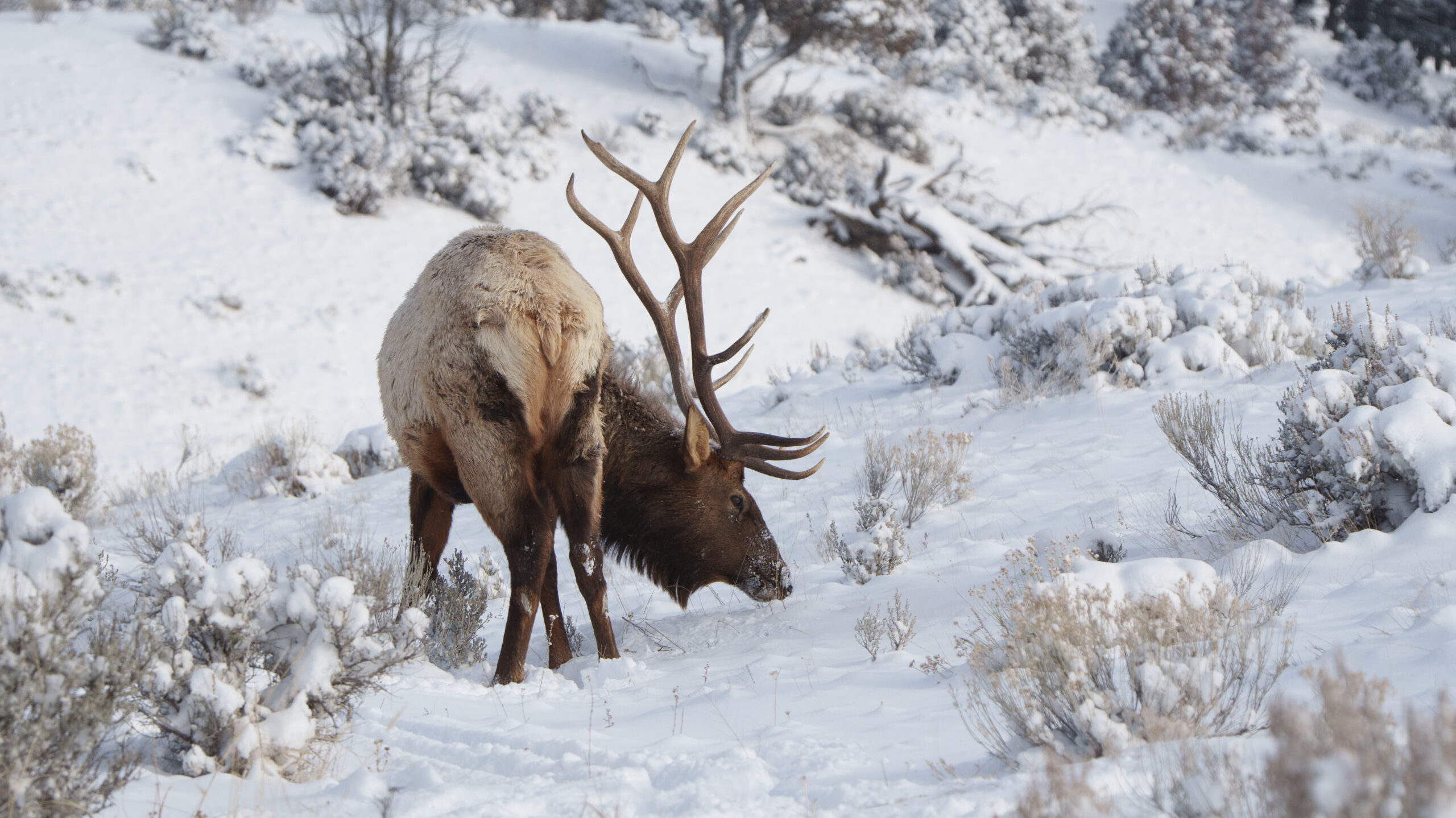
A bull elk steps out of a snowy Yellowstone treeline. A roseate spoonbill lands close enough for a clean frame. Morning fog slides across Caddo Lake while cypress knees rise from still water. Those moments are why nature photography tours are so much more than a vacation with a camera.
The best trips put you in the right place at the right time, yes. But they also help you recognize the moment before it happens, set your camera with purpose, and make decisions quickly when the light, weather, or wildlife changes its mind. That is where a guided photography experience earns its keep.
For many photographers, the goal is not simply to come home with a full memory card. It is to come home knowing why an image worked, what to do differently next time, and how to feel more confident when there is no instructor standing beside you.
What Nature Photography Tours Should Actually Deliver
A photography tour should be built around photography, not just sightseeing with occasional camera stops. There is a difference. Wildlife often appears at awkward times. The best light doesn’t care about breakfast reservations. And a landscape scene may need an extra twenty minutes while fog shifts, birds pass through, or color develops in the sky.
A strong tour gives the group enough time in productive locations to work a subject instead of grabbing one quick record shot and moving on. That might mean returning to a location at sunrise, staying with a bird’s behavior long enough to anticipate takeoff, or waiting out a little weather. Sometimes the weather is the picture.
Instruction matters just as much as access. You can read about exposure compensation, autofocus modes, and shutter speed at home. In the field, those concepts become real when a white egret flies against dark water, a fox moves through patchy snow, or a dragonfly refuses to sit still. A good instructor helps you solve the actual problem in front of you, not a theoretical one from a camera manual.
Small groups make that possible. When instructors can see what each person is doing, they can offer useful adjustments: raise your shutter speed, move your focus point, watch the background, get lower, wait for the head turn. Those small changes can be the difference between a lovely memory and a photograph you are excited to print.
Choosing Nature Photography Tours That Fit Your Goals
Not every tour is right for every photographer, and that is perfectly fine. Before reserving a spot, think honestly about what you want from the experience. Are you hoping to learn bird photography from the ground up? Do you want winter wildlife and dramatic conditions? Is a peaceful landscape-focused trip more your speed? Your ideal destination should match both your interests and your current comfort level.
Read the itinerary with a photographer’s eye. Look beyond the destination name and ask how time will be spent. Are sunrise and sunset sessions included? Is there flexibility for changing conditions? Will there be coaching in the field? Are image reviews, editing sessions, or help with camera setup part of the experience?
Also pay attention to the physical side of the trip. A tour can be wonderfully accessible without being completely effortless. Some locations require standing in cold temperatures, working from roadside pullouts, riding in boats, getting up before sunrise, or carrying gear over uneven ground. Honest expectations are a reassuring sign. You deserve to know whether a trip involves a gentle stroll, a long day in a vehicle, or a little of both.
Group size is worth considering. A large group may be less expensive, but it can be harder to get individual help or a clear shooting position when the action starts. On a small-group workshop, there is more room for questions, more practical guidance, and less chance of feeling like you are trying to keep up with a crowd of strangers who all seem to know their camera better than you do.
You Do Not Need Perfect Gear Before You Go
One of the most common reasons people delay a photography trip is the belief that they need a better camera, a longer lens, or a backpack that looks like it could support a small expedition. Gear matters, especially for birds and distant wildlife, but it is not the whole story.
A camera you understand beats a more advanced camera set to the wrong mode. A modest telephoto lens used thoughtfully can create wonderful images when you pay attention to light, behavior, composition, and distance. Meanwhile, the fanciest lens in the world cannot fix a cluttered background or a shutter speed that is too slow for a flying bird.
Before a tour, ask for gear guidance specific to the destination. A winter wildlife trip has different needs than a bird photography workshop on the Texas coast. You may need extra batteries in cold weather, rain protection for humid conditions, a beanbag for vehicle shooting, or a tripod for low-light landscapes. Borrowing or renting a specialty lens can make sense for some trips. Buying a lens just because you think everyone else will have one usually does not make sense.
At Jeff & Angie Photography, we would much rather answer a gear question before a trip than see someone arrive worried that they brought the wrong thing. There is no prize for packing the heaviest bag. The goal is to bring equipment you can use comfortably and confidently.
The Field Skills That Change Your Images
Great nature photography is rarely about pressing the shutter at random and hoping the camera figures it out. It begins with observation. Watch an animal before photographing it. Notice where it looks, how it feeds, whether it is becoming alert, and what direction it may move next. With birds, behavior often tells you when a takeoff, landing, or interaction is coming.
Light is another quiet teacher. Front light can show color and feather detail. Side light reveals texture and shape. Backlight can turn fur, wings, mist, or grass into something almost magical. None is automatically better. The useful question is, what does this light do for this subject?
Then there is the background, which can support your subject or quietly ruin the image. A small change in your position may move a distracting branch behind an animal’s head or replace a busy patch of brush with a clean wash of color. You do not always need to move closer. Often, you need to move smarter.
Technical settings support those choices. For action, shutter speed is usually your first priority. For a portrait-like wildlife image, eye focus matters more than having every leaf in the scene sharp. For a sweeping landscape, a tripod and careful exposure may be worth far more than another hundred photos taken handheld. A guided tour gives you repeated chances to practice these decisions while the stakes are low and help is nearby.
Leave Room for the Unplanned Moments
The itinerary may bring you to a famous wildlife area or an iconic landscape, but no ethical photographer can promise a particular animal, a perfect sunset, or a rare bird on a convenient branch. Nature does not work that way. Frankly, that is part of the fun.
The most memorable trips often include a surprise: snowfall during a winter session, a curious fox appearing at the edge of the road, or a quiet scene that becomes extraordinary because everyone waited another few minutes. A competent guide plans carefully while remaining flexible enough to follow conditions and opportunities.
That flexibility should always be paired with respect. Wildlife needs space. Nests, dens, and sensitive habitats deserve extra care. The photograph is never worth stressing an animal, damaging a location, or crowding a scene until nobody can enjoy it. Ethical field practices are not a limitation on creativity. They are part of becoming the kind of photographer nature invites back, again and again.
How to Get More From Your Tour
Arrive with a few simple goals rather than a long list of shots you feel pressured to collect. Maybe you want to get comfortable using back-button focus, make one sharp bird-in-flight image, or learn to create cleaner backgrounds. Tell your instructors. The best teaching is personal, and your goals give them something useful to coach toward.
Take notes when a setting or technique finally clicks. Instead of waiting until you are home with thousands of files, review a few images during downtime. Ask why an image is not working. Ask what the instructor would try next. Those questions are where confidence grows.
Most of all, do not spend the entire trip staring at the back of your camera. Make photographs, certainly, but look around too. Listen for wings. Notice the cold air before sunrise. Enjoy the people beside you who are just as thrilled when the light turns gold or a bird lands close. The images will matter for years, and so will the story of how you made them.