
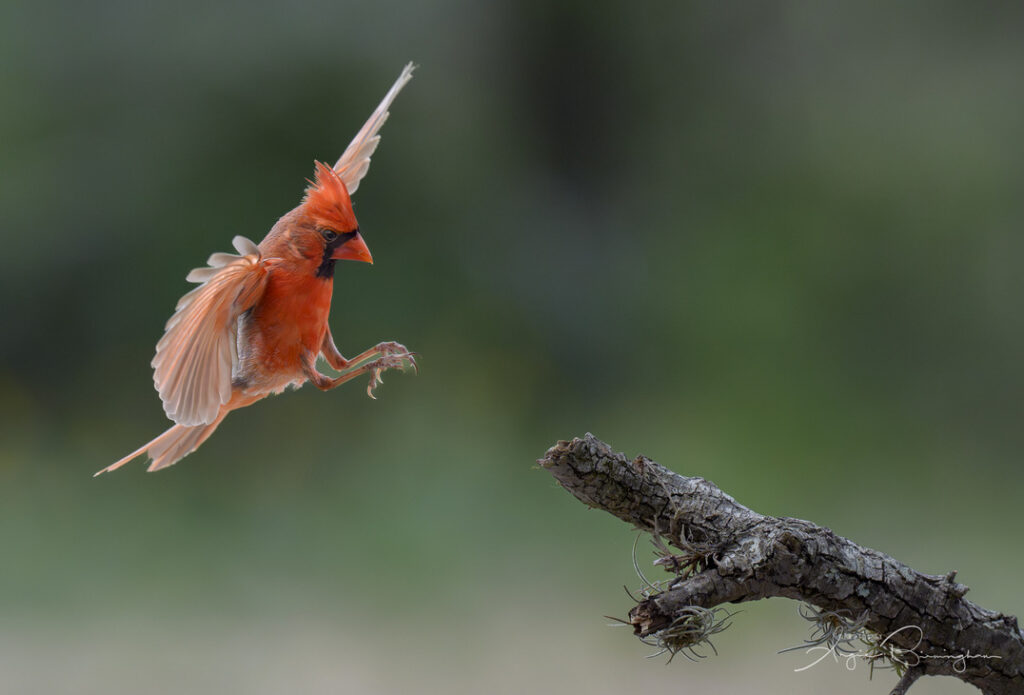
A bird lands on a lovely perch, the light is perfect, and your camera is ready. Then it gives an alarm call, stiffens its posture, or moves away from a nest. That is the moment ethical bird photography matters most. The photo may be tempting, but the bird decides how close is too close.
This is not about making wildlife photography less exciting or piling on rules until nobody has fun. Quite the opposite. Respectful field habits lead to calmer birds, more natural behavior, better opportunities, and images you can feel good about sharing. If it happens outdoors and involves a camera, we are all in—but the welfare of the wild subject always comes first.
What ethical bird photography really means
Ethical bird photography means making choices that minimize disturbance to birds and their habitat. It asks us to pay attention before we raise the camera, not after we have already pushed an animal off a perch or caused it to abandon a feeding spot.
The right decision is not always obvious. A bird feeding peacefully near a trail may tolerate photographers at a reasonable distance. That same bird may need far more space during nesting season, harsh weather, migration, or when it is carrying food. A photograph is only one brief moment in our day. For that bird, conserving energy, protecting young, and staying alert to predators are daily survival work.
Ethics are not a separate skill from photography, but part of it. They are part of fieldcraft, right alongside reading light, choosing a background, and holding a long lens steady. The more you learn to observe behavior, the more confidently you will know when to stay, back away, or simply enjoy the encounter without taking the shot.
Start with the bird’s behavior.
Distance is the easiest ethical guideline to remember, but behavior is the better guide. There is no universal number of feet that works for every species, habitat, and situation. Your lens length, whether the bird is nesting, and the bird’s individual tolerance all matter.
Watch for signs that you are affecting the bird. Repeated alarm calls, a raised crest, crouching, wing flicking, freezing in place, staring directly at you, moving away from food, or returning to a nest only after you retreat are all useful information. Do not wait for the bird to flush. By then, it has already told you the interaction was too much.
A relaxed bird usually continues its normal routine. It may preen, feed, rest, hunt, or look around naturally. That is the behavior we want to photograph anyway. Give it room, settle in, and let the scene unfold. You may come home with fewer frames, but they will look more authentic than images made while a bird is visibly stressed.
Longer lenses are a wonderful tool here. They allow you to fill more of the frame while maintaining respectful distance. Still, a long lens is not permission to crowd a bird. If you have to leave the trail, push through vegetation, or move closer and closer because the background is prettier, the better choice is usually to work with what the bird and habitat offer.
Nesting birds need extra care.
Nests are where even well-meaning photographers can cause real harm. An adult bird that leaves a nest repeatedly may expose eggs or young to temperature extremes and predators. Foot traffic can create a visible path that gives away the nest location. A photographer’s presence can also prevent a parent from bringing food to chicks.
The practical rule is simple: do not approach, touch, move, or clear vegetation around an active nest. Do not use bait, calls, or playback to draw an adult away from it. Avoid sharing precise nest locations, even with fellow photographers you trust. Information travels fast, and a quiet nest can quickly become a crowded attraction.
Some species have specific regulations that protect them, and those rules deserve careful attention. But legal does not always mean considerate. A nest may be technically visible from a public path and still be an irresponsible subject. When there is any question, give the birds more space or choose another story to photograph.
Young birds deserve the same patience. A fledgling on the ground is not automatically abandoned or in danger. Parents are often nearby, continuing to feed and watch over it. Photograph from a distance if you can do so without changing its behavior, and then leave the area as you found it.
Keep the habitat intact.
The perch, grasses, shoreline, wildflowers, and quiet cover around a bird all matter. Trampling vegetation for a cleaner foreground or breaking branches for an unobstructed view may seem minor, but repeated disturbance adds up quickly in popular places.
Stay on established paths where they exist. Be especially cautious around wetlands, shorelines, fragile grasslands, and areas where birds gather to rest or feed. Give yourself time to find a good angle rather than forcing one. Occasionally that means accepting a busy background. Occasionally it means returning when the light and bird position are better. That is not a failure. That is field photography.
Be thoughtful about how you share images, too. A beautiful photograph can inspire people to care about birds, which is a wonderful thing. It can also send a crowd to a sensitive place. Consider omitting detailed location information for rare, nesting, or easily disturbed species. You can still share the story, the behavior, and the joy of the moment without providing a map.
Let patience do the heavy lifting.
The most rewarding bird photographs often come after you stop chasing them. Find a respectful position, get low only if it does not damage habitat or make the bird uneasy, and wait. Learn the bird’s rhythm. Where does it tend to land? Which direction does it hunt in? When does the light reach that branch?
This approach helps technically, too. You have time to check your shutter speed, exposure, autofocus settings, and background before the action happens. Rather than reacting in a rush, you are ready when the bird turns its head into the light or lifts off from a clean perch.
For beginners, that may mean using a shorter focal length and photographing birds that are already comfortable at a respectful distance. For experienced photographers, it may mean resisting the impulse to turn every encounter into a portfolio image. Both choices build better habits.
Ethical choices make you a better photographer.
There will always be moments when the right choice means walking away. Maybe the bird is agitated. Maybe the nest is too exposed. Maybe another photographer is crowding the subject, and adding one more person will not help. Walking away can feel disappointing, especially after an early alarm, a long drive, or a rare sighting.
But wild birds are not props, and nature photography is not a race to collect species. The goal is to make photographs that carry the feeling of a real encounter—a glimpse into a bird’s life, made with restraint and respect.
The next time a bird gives you a few seconds of magic, take a breath before moving closer. Give it room to be wild. Your best photograph may come from that patience, and even if it doesn’t, you will have left the moment better than you found it.