Walk into any camera store, or scroll any forum, and bird photography can look like an expensive hobby that demands a bag full of lenses. The truth is simpler. Great images come from a few well-chosen tools used with skill. If you are exploring bird photography, this guide explains which bird photography gear actually matters, what can wait, and where your money works hardest.
1. A Camera Body That Keeps Up
You do not need the newest flagship. You do need fast, reliable autofocus, a quick burst rate, and clean results at higher ISO, because birds move quickly and often live in shaded places. Look for eye or animal tracking, which helps lock onto a bird’s eye as it moves, and controls you can change without taking your eye from the viewfinder. Mirrorless and DSLR cameras can both do the job. Buying used often delivers better value than a brand-new mid-grade body, since an older professional-grade camera gives you stronger handling and autofocus for the price.
2. A Lens With Real Reach
If you spend money anywhere, spend it here. Birds are small, wary, and usually far away, so focal length matters more than almost any other spec. For general bird photography, Audubon’s guide calls for at least 400mm, and more is better.
Reach is also a welfare issue: a long lens lets you capture strong images without crowding your subject, and you can slowly back away at the first sign of nervousness. Consider aperture too. A faster lens gathers more light in early mornings and shaded woods, but it is heavier and costs more, so balance weight, budget, and how long you can comfortably hold it.
Teleconverters extend reach but cost light and can slow autofocus, so treat them as a later upgrade.
3. Support: Tripod, Monopod, or Gimbal Head
A heavy telephoto lens tires your arms quickly, and camera shake softens images. A sturdy tripod gives the best stability for perched birds and long waits. A monopod is lighter and quicker to move with, which suits walking trails. A gimbal head balances a big lens so it swings smoothly while you follow a bird in flight. Whichever you choose, test it with your lens attached, because wobbly support defeats the purpose. Solid support also keeps the lens steady while you wait patiently for the right moment.
4. Memory Cards, Batteries, and Storage
Bird photography means long bursts, and long bursts fill buffers quickly. Fast memory cards let your camera clear its buffer sooner so you are ready for the next sequence. Carry spare batteries, since cold weather drains them faster, and bring more cards than you think you need. At home, back up every outing in at least two places before you format anything. These small items cost little compared with a lens, yet losing a once-in-a-season shot to a full card or dead battery stings far more.
5. Binoculars and Field Essentials
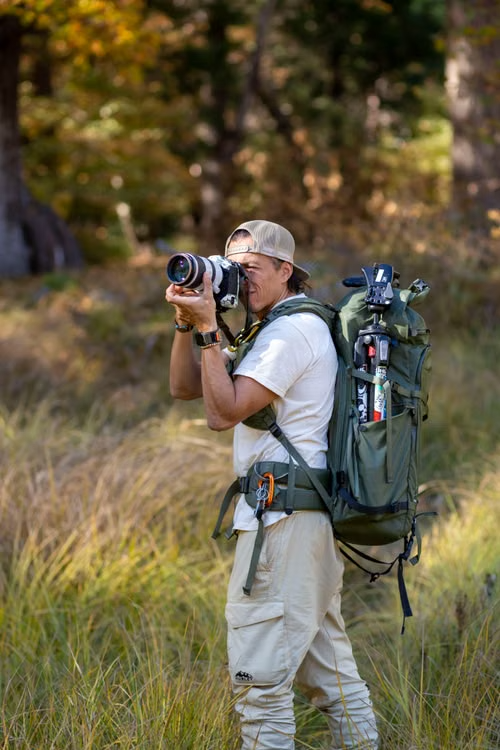
You cannot photograph what you cannot find. A decent pair of binoculars helps you locate and identify birds before you raise the camera, so you are not swinging a heavy lens around to search. Add weather protection for your camera, a comfortable bag, muted clothing, and sturdy shoes, because patient photographers who stay out longer see more. Joining guided bird photography tours also helps, since local leaders know where birds gather and how close is too close. Learn the rules wherever you shoot: Grand Teton National Park, for example, asks visitors to stay 100 yards from bears and wolves and 25 yards from other wildlife. Your gear should help you respect limits like these, not tempt you past them.
6. What You Can Skip, For Now
Beginners often buy too much bird photography geartoo soon. Skip the second lens, the premium carbon tripod, and the pile of accessories until you know what is actually limiting your images.
Smartphones struggle with distant birds, but if you already own a spotting scope, digiscoping, which means aiming your camera into the scope’s eyepiece, is a budget-friendly way to start, though it lacks autofocus and needs a tripod. Renting a lens for a weekend is another smart way to test before you buy. Attending nature photography workshops also lets you see what other photographers use and ask how it performs.
7. Why Skill Beats Gear
The most expensive setup cannot fix poor settings, weak light, or missed behavior. A photographer who understands exposure, focus, and bird behavior will outshoot a beginner with better equipment, and that knowledge transfers to every camera you will ever own. Learn to set a fast shutter speed, place focus on the eye, and anticipate where a bird will move. Pairing smart purchases with wildlife photography mentoring shortens the learning curve, because an experienced eye can tell you whether a problem comes from the equipment or the technique.
Get the Most From the Gear You Have
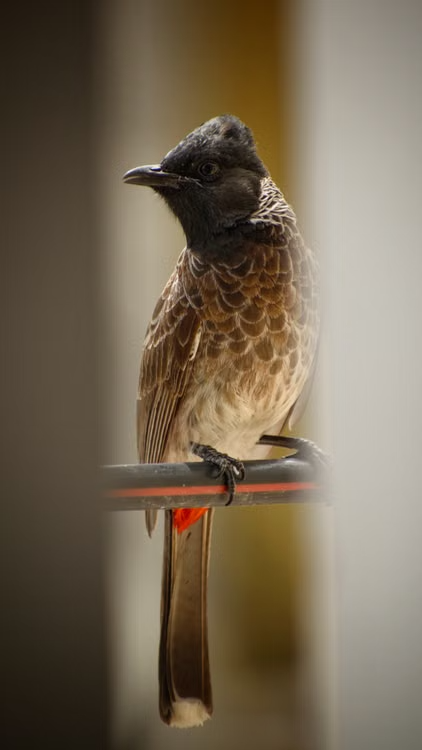
In the end, the right bird photography gear is the setup that matches your goals, your budget, and your willingness to practice: a capable body, a lens with real reach, solid support, reliable cards and batteries, and a good pair of binoculars. Everything else is optional until your skills call for it, and you will know exactly when that day arrives.
At Jeff and Angie Photography, we help photographers get there faster. We are Texas-based photographers with more than 40 combined years of experience, and our bird photography workshops teach settings, composition, and field techniques while you photograph real birds. If you prefer one-on-one attention, our private wildlife photography lessons let us review your camera system and tell you what to keep, what to change, and what to skip.
New to all this? Our beginner wildlife photography workshop options are designed to build confidence from day one, whatever camera you own. Contact Jeff and Angie today, tell us about your setup, and let’s get you out in the field!