
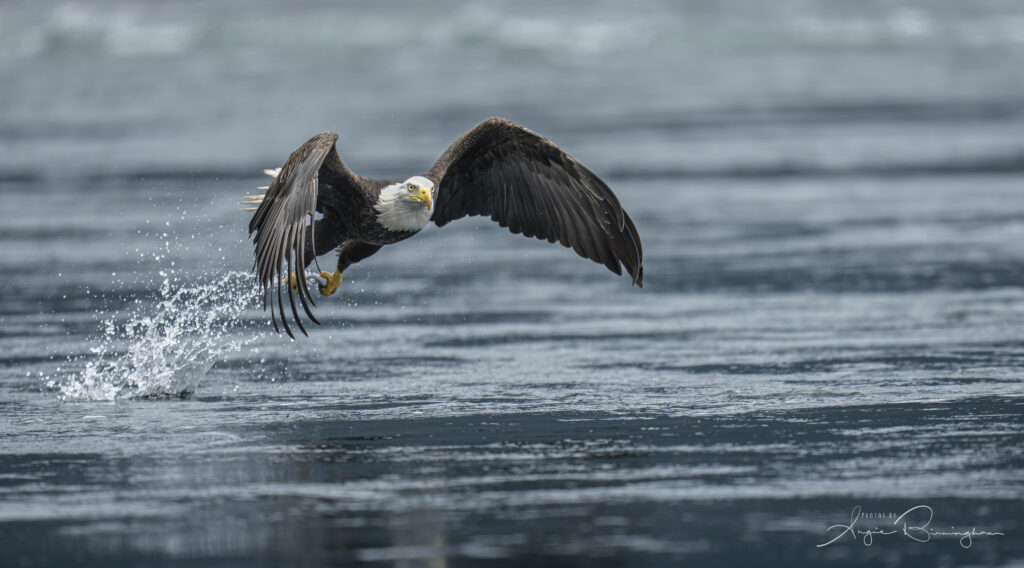
The bald eagle does not wait for you to find the right button. Neither does a roseate spoonbill, a Yellowstone fox in fresh snow, or the first light slipping through Caddo Lake’s cypress trees. That sounds intimidating until you realize this is exactly why beginners can join photography trips: you have knowledgeable people beside you when the action happens.
A rewarding photography trip is not a test you have to pass before you arrive. It’s a chance to learn in the places that made you pick up a camera. You may come home with a few photographs you truly love, a much deeper understanding of your camera, and a healthy new appreciation for why wildlife photographers check the weather so often.
Can beginners join photography trips without experience?
Yes, Jeff and Angie design and lead all their trips with beginners, intermediates, and advanced photographers in mind. You do not need a gallery of award-winning images, a suitcase full of expensive lenses, or the ability to recite every aperture, shutter speed setting from memory. You do need curiosity, a willingness to practice, and a realistic understanding that nature has its schedule.
The best beginner-friendly trips are small enough for instructors to work with people individually. Rather than calling out camera settings from across a parking lot and hoping everyone keeps up, a hands-on leader can look at your camera, your scene, and your goals. They can help you move beyond Auto mode without making you feel as if you accidentally enrolled in advanced calculus.
That individual attention matters because beginner questions are rarely silly. “Why is my subject blurry?” might be about shutter speed, but it could also be about focus mode, handholding technique, light direction, or simply trying to photograph a bird that refuses to sit still. In the field, those answers make sense faster because you can see the problem and make an adjustment right away.
What a beginner should expect on a photography trip
Photography trips are part education, part adventure, and part patience. You might wake before sunrise, stand quietly along a marsh edge, ride in a vehicle to a wildlife area, or wait for the wind to settle over a landscape. The goal is not to manufacture a perfect scene. It is to put you in promising places and teach you how to respond when the moment arrives.
Expect instruction to be practical. You may learn how to set a shutter speed that freezes wings, how to choose an aperture for a layered landscape, how to use exposure compensation with a bright bird against a dark background, or how to read the light before raising the camera. Good instructors explain the why, then give you time to try it yourself.
You should also expect some imperfect frames. Everyone makes them, including experienced photographers. A missed focus point, clipped wingtip, or crooked horizon is not a failed day. It is useful information. Often, the most valuable part of a workshop happens just after a near miss, when an instructor can say, “Let’s change this one thing and be ready for the next pass.”
Choose the right trip, not the flashiest destination.
Not every photography trip has the same pace or physical demands. A workshop advertised as suitable for all skill levels may still involve long days, uneven ground, cold weather, boat travel, or quick-moving subjects. Please read the itinerary carefully and ask any direct questions before reserving your spot.
A destination can be beginner-friendly while still being physically demanding. Winter wildlife photography in Yellowstone, for example, may offer incredible subjects and clear teaching opportunities, but the cold is real. A bird photography outing may require walking with gear or remaining on your feet for periods of time. Meanwhile, a landscape-focused trip may involve early starts and changing conditions. None of that should keep you from going, but it should shape your trip and preparation.
Ask how many participants are in the group, whether instructors provide camera help in the field, what walking is involved, and whether the schedule allows for questions and image review. It is also helpful to ask what type of photography the trip emphasizes. A person excited about birds in flight may not obtain what they need from a trip centered primarily on grand landscapes, and vice versa.
At Jeff & Angie Photography, the goal is not to hand every participant the same checklist and send them home. It is to meet people where they are, whether that means helping with a brand-new camera or refining a technique you have been trying to figure out for years.
Bring the gear you have, then learn to use it.
A common reason beginners hesitate is gear anxiety. They see images made with long lenses, fast camera bodies, and heavy tripods, then assume their own camera is not enough. Better gear can expand what is possible, particularly for distant wildlife or rapid action, but it does not replace timing, light, composition, and a photographer who understands their settings.
For many trips, a camera with interchangeable lenses is helpful, but a bridge camera or advanced point-and-shoot may also be a fine place to start. Bring the lenses you already own, extra batteries, memory cards, a comfortable camera strap, weather-appropriate clothing, and a bag that lets you access your camera without a wrestling match. If you have a tripod, bring it when the trip calls for landscapes, low light, or long lenses.
Do not buy a pile of new equipment the week before departure unless you have time to practice with it. A familiar camera is more useful than an unfamiliar upgrade. Contact us in advance with your gear questions. A thoughtful instructor can tell you what will work, what may limit you, and what you can leave at home.
Practice these three things before you go
You do not need to arrive polished, but a little preparation creates more confidence on day one. First, learn how to change shutter speed, aperture, and ISO. Second, practice selecting a focus point and switching between autofocus modes. Third, spend an afternoon photographing something that moves a dog, kids in the backyard, cars passing at a safe distance, or birds at a feeder.
Your results do not have to be good yet. The point is to make the controls feel less foreign, so when a compelling subject appears, you can listen, adjust, and keep shooting rather than searching through menus.
The quiet value of traveling with other learners
A photography trip is also a gathering of people who understand why you stopped the car for a hawk on a fence post. That shared enthusiasm is a big part of the experience. You will likely trade stories over breakfast, compare photographs at the end of the day, and learn from seeing how another participant approached the same scene.
Beginners often worry they will slow down more advanced photographers. In a well-run group, that is not how it works. Experienced participants are usually generous with knowledge, and instructors can offer different levels of guidance at the same location. One person may be learning where the exposure compensation button lives; another may be fine-tuning an action sequence. Both can photograph the same osprey.
The right group creates room for questions without pressure to perform. You are there to improve, not to prove that you already know everything.
Make success bigger than one stunning photograph.
Of course, everyone hopes for the frame that earns a spot on the wall. But beginners get more from a trip when success includes the skills behind that frame. Maybe you finally understand why your bird photos were blurry. Maybe you learn to notice distracting branches before pressing the shutter. Maybe you become comfortable asking for help instead of guessing.
Nature also keeps the score clear. Weather changes. Wildlife disappears. Light turns flat, then suddenly turns beautiful five minutes before dinner. A quality trip cannot promise a specific animal or a portfolio full of perfect images. It can promise careful planning, honest expectations, good teaching, and more chances to be ready when something wonderful happens.
So bring the camera you own, a pair of comfortable shoes, and permission to be new at the craft. The best first photography trip is not the one where you know every setting. It is the one that leaves you eager to head outside again, notice more, and see what the next morning brings.