
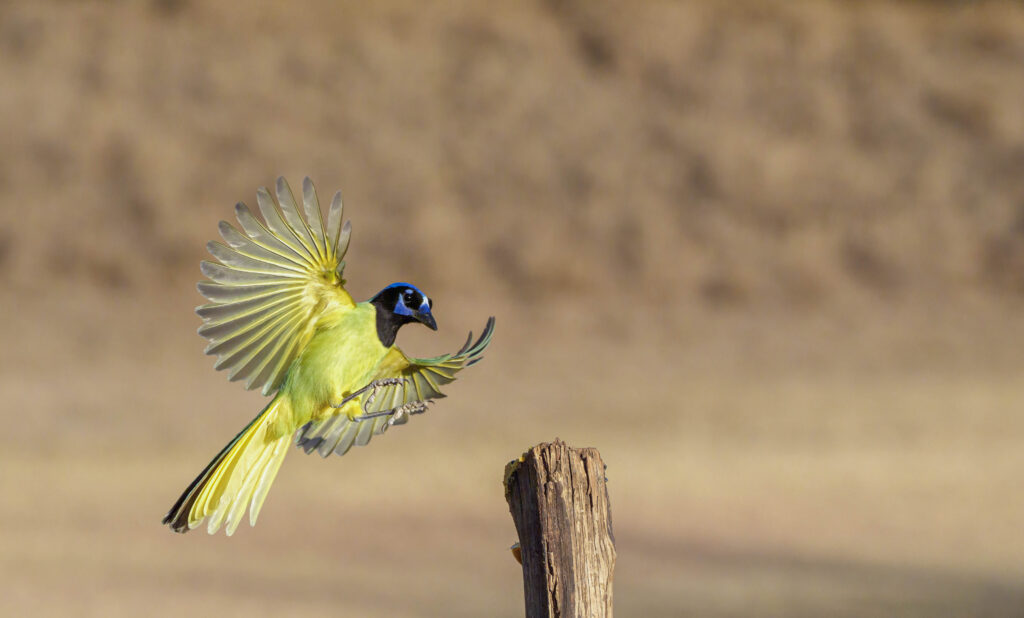
A green jay landing on a lone post. A roseate spoonbill lifts off from a coastal marsh before sunrise. A painted bunting stays just long enough on a fence line to make you question every camera setting you have ever used. That is Texas bird photography: wildly rewarding, occasionally humbling, and never quite the same twice.
This Texas bird photography guide is built for photographers who want more than a lucky frame. The goal is to help you read the light, understand the bird in front of you, and come home with images that feel intentional. You do not need the longest lens in the parking lot to make meaningful bird photographs. You do need a plan, a little patience, and the willingness to practice when the birds are not cooperating.
Start Your Texas Bird Photography Guide With the Season
Texas is enormous, and its birding opportunities change dramatically by region and season. A productive morning in the Panhandle can look nothing like a productive morning along the Gulf Coast or in the Rio Grande Valley. Rather than chasing every reported rarity, choose a location and time of year that give you repeatable opportunities to work on your skills.
Spring migration is the big show for many photographers. The Upper Texas Coast can fill with warblers, buntings, orioles, and other travelers stopping to rest and refuel. The action can be fast, the foliage can be thick, and the best image may come from waiting at a single opening rather than walking yourself into exhaustion.
Summer is excellent for nesting behavior, shorebirds, and early mornings around water. Fall brings another migration season, often with different light and a little more breathing room. Winter is a wonderful time to work with ducks, geese, cranes, raptors, and sparrows. If you are learning flight photography, winter waterfowl can be more forgiving than a tiny spring warbler bouncing through a live oak.
Choose a Habitat, Not Just a Bird
A target species is fun, but habitat is the more useful starting point. Coastal marshes offer waders, shorebirds, and dramatic open backgrounds. The Hill Country brings woodland birds, creeks, and limestone settings. East Texas can offer woodpeckers, owls, and a beautiful forest atmosphere, while South Texas delivers specialty birds and dense brush-country challenges.
Arrive early enough to watch before you photograph. Where are birds landing? What direction are they moving? Is there a clean perch with a distant background? Five quiet minutes of observation can save an hour of photographing branches with a bird-shaped blur somewhere in the middle.
Build a Bird Photography Setup You Can Actually Use
The best camera is the one you can operate without fumbling when a bird finally lands in good light. A long lens helps, but comfort and familiarity matter just as much. A 100-400mm or 150-600mm zoom can be an excellent Texas bird photography lens because it gives you flexibility when a heron is close one moment and a hawk is distant the next. A prime lens may offer more light and sharper background blur, but it can be less forgiving when birds change distance quickly.
For most bird photography situations, start with these practical priorities:
- Use a shutter speed of at least 1/1600 second for perched birds that may move suddenly, and 1/2500 second or faster for flight.
- Select continuous autofocus with bird or animal subject detection if your camera offers it, then learn how to move the focus point when the system grabs a branch instead.
- Use a wide enough aperture to separate your subject from the background, often between f/5.6 and f/8, while keeping the bird’s eye and face sharp.
- Let ISO rise when needed. A sharp, slightly noisy photo is far more useful than a beautifully clean file blurred by a slow shutter speed.
Those numbers are starting points, not commandments. A slowly feeding egret in calm water may allow a slower shutter speed. A kingfisher, swallow, or diving tern will demand much more. Check your images at high magnification in the field, especially early in the day. If the eye is not sharp, adjust before the best light disappears.
Let Light Do More of the Work
Texas sunshine has a reputation for being intense, and that is putting it politely. Midday light can create harsh shadows under a bird’s bill, clipped highlights on white feathers, and backgrounds that compete for attention. Early morning and late afternoon remain your best friends, especially near open water or grasslands.
Try to place the sun behind you or just off to one side for a clean, detailed portrait. As you gain confidence, experiment with backlight. A great egret glowing around the edges or a spoonbill flying through warm light can be spectacular, but backlighting requires careful exposure. Watch your histogram and protect the bright feathers whenever possible. Recovering deep shadows is often easier than recovering a completely blown-out white wing.
Backgrounds deserve as much attention as birds. Take two steps left, lower your tripod, or wait for a bird to move to a different perch. Small changes can replace a messy wall of reeds with soft color and separation. This is one of those field skills that makes a photograph feel polished without requiring a new piece of gear.
Photograph Behavior, Not Just Feathers
A sharp bird on a stick is a solid place to begin. A sharp bird doing something is where the story starts. Look for feeding, preening, stretching, calling, landing, courtship, and interactions with other birds. Learn the small signals that come before an action. A bird may lean forward before taking off, pause before calling, or shift its feet before stretching a wing.
When you see a promising behavior, do not fire a few frames and immediately look at the back of the camera. Stay with the moment. Keep the bird in the viewfinder, follow its head movement, and photograph through the action. The image you want may happen one second after you think the scene is over.
For flight photography, begin with larger, more predictable birds. Herons, pelicans, egrets, and gulls are excellent teachers. Find a location where birds repeatedly fly along a similar path, pre-focus on the expected distance, and pan smoothly. Keep both eyes open if you can. It feels strange at first, but it helps you find a bird before it enters the frame.
Respect the Bird and the Place
Good wildlife photography never depends on making wildlife uncomfortable. Give birds space, particularly during nesting season, extreme heat, cold snaps, or when they are feeding. If a bird changes its behavior because of your presence, you are too close. Back away and use your lens, a blind, your vehicle where permitted, or more patient fieldcraft.
Avoid playback around sensitive species, never alter a nest or perch for a photograph, and do not bait birds simply to create an image. Texas public lands, refuges, parks, and private ranches may all have different rules, so check local regulations before setting up. A photograph is not worth stressing an animal or damaging the trust that allows photographers access to special places.
Ethical choices also tend to produce better work. A relaxed bird behaves naturally. Natural behavior gives you the gestures, moments, and stories that viewers remember.
Make Every Outing a Practice Session
Do not judge a morning only by the number of keepers on your memory card. Give each outing one clear assignment: improve your flight tracking, find cleaner backgrounds, photograph only birds at eye level, or learn to expose white feathers properly. A focused goal makes progress easier to see.
Keep a few notes afterward. Which shutter speed worked? Did autofocus struggle in reeds? Were you consistently underexposing dark birds? This is not homework for homework’s sake. It helps you spot patterns and arrive better prepared next time.
Field instruction can speed up that process because another photographer can see the small habits you cannot see while concentrating on the bird. At Jeff & Angie Photography, that hands-on coaching is a big part of how we help photographers build confidence in real conditions, not just memorize settings at home.
The next time you head out before dawn, pick one bird, one patch of good light, and one skill to practice. Let the morning unfold at the bird’s pace. Texas will give you plenty of subjects. Your job is to be ready when one gives you a reason to press the shutter.