
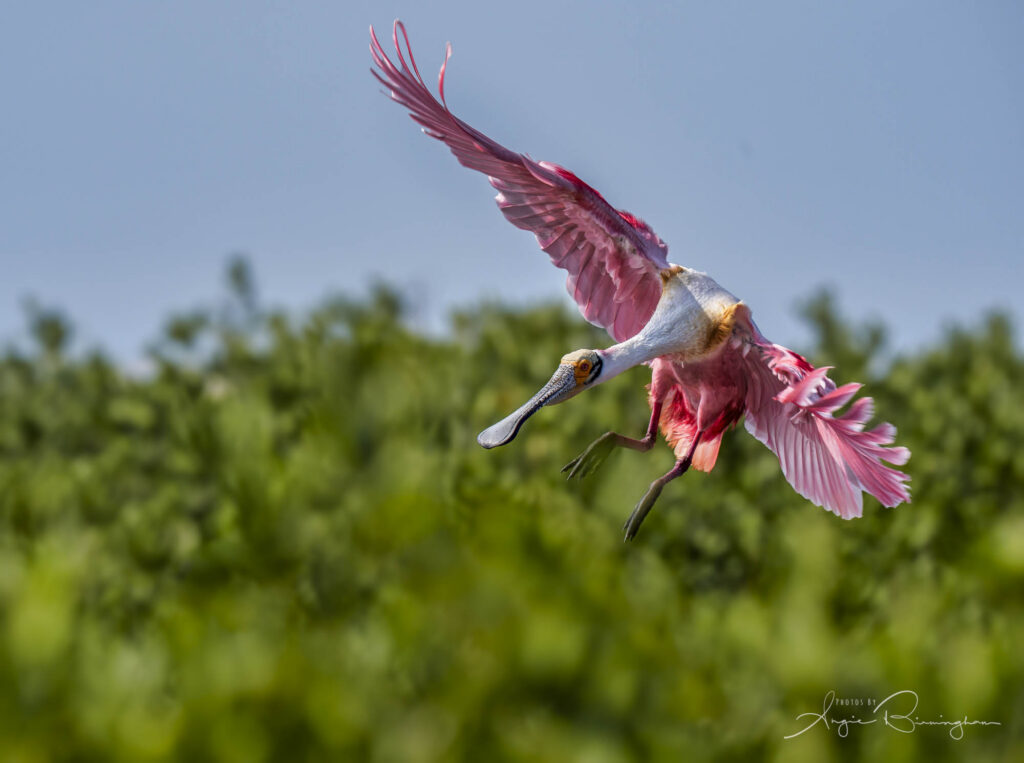
 The spoonbill turns its head, the light catches that ridiculous bill just right, and suddenly you find yourself wishing you weren’t guessing about your camera settings. That is where bird photography workshops Texas photographers can count on that make a real difference. You are not standing in a classroom memorizing buttons. You are in the field with birds moving, light changing, and an instructor nearby to help you make the shot.
Texas offers an astonishing range of bird photography opportunities, from coastal rookery action to quiet woodland scenes and winter waterfowl. But a great location alone does not guarantee great photographs. The best workshops pair the right place and timing with patient, practical instruction that helps you understand what to do when the action starts.
Why Texas Is Built for Bird Photography
Texas is big enough to give bird photographers plenty of variety without requiring a passport or an expedition-sized packing list. Along the Gulf Coast, wading birds, shorebirds, terns, pelicans, and migrating songbirds can create fast-paced sessions full of flight opportunities. Inland wetlands and lakes bring ducks, grebes, herons, egrets, and raptors into the mix. In East Texas, forests and waterways offer a very different mood—think woodpeckers, owls, warblers, and misty mornings.
The timing matters as much as the destination. Spring migration can be wonderfully busy, with birds arriving in breeding plumage and activity happening everywhere at once. Winter may offer more predictable waterfowl and raptor subjects. Summer can be hot, but early morning light and nesting behavior can make an early alarm worthwhile. A well-planned workshop considers seasonal behavior, not just a checklist of species.
Bird photography also rewards return visits. A great egret will not pose the same way twice. Wind direction, water level, cloud cover, and the behavior of one determined little bird can change the entire day. That unpredictability is part of the fun, especially when you have guidance for adjusting as you go.
What You Learn in Bird Photography Workshops in Texas
The most useful workshop lessons happen with your camera in hand. You might understand shutter speed in theory, but it feels different when a roseate spoonbill lifts off without warning or a hawk comes over the treeline. Field instruction turns technical terms into choices you can make quickly and confidently.
 Camera settings that match the moment
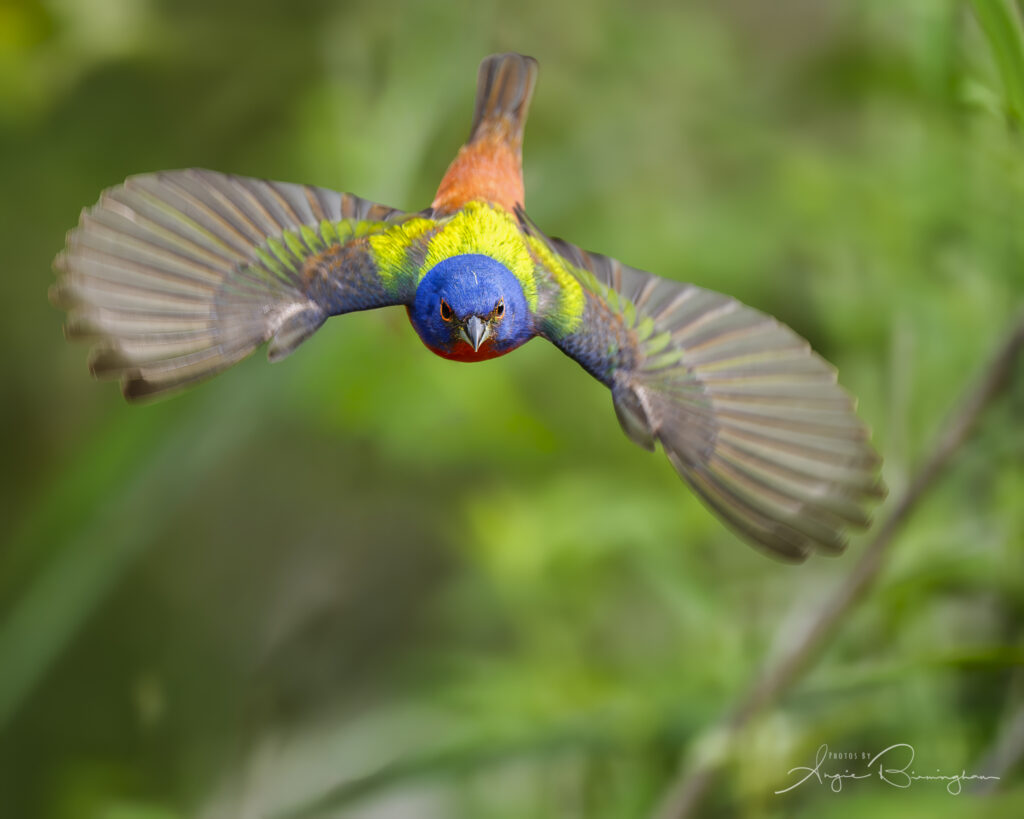
For birds in flight, you will learn why a fast shutter speed matters and how to balance it with ISO and aperture when the light is less than perfect. For a perched bird, you may have more flexibility, but focus placement and depth of field become especially important. The goal is not to give every situation one magic setting. There is no magic setting, despite what the internet occasionally promises.
Instead, you learn how to read the scene. Is the bird likely to take off? Is the background distracting? Is your shutter speed fast enough for the behavior you expect to see? Are you exposing bright white feathers without turning the rest of the frame into a dark mess? These small decisions add up quickly.
Autofocus, tracking, and better timing
Modern cameras can do remarkable things, but bird detection and subject tracking still need a photographer behind them. Workshops give you time to set up your autofocus in a low-pressure environment and understand when it works beautifully and when it needs your help.
You will also practice the less technical side of action photography: watching behavior. A bird that pauses, leans forward, calls, or shifts its weight may be about to fly. Learning to notice those clues can help you frame the scene and be ready before wings enter the picture.
 Composition beyond the bird in the middle
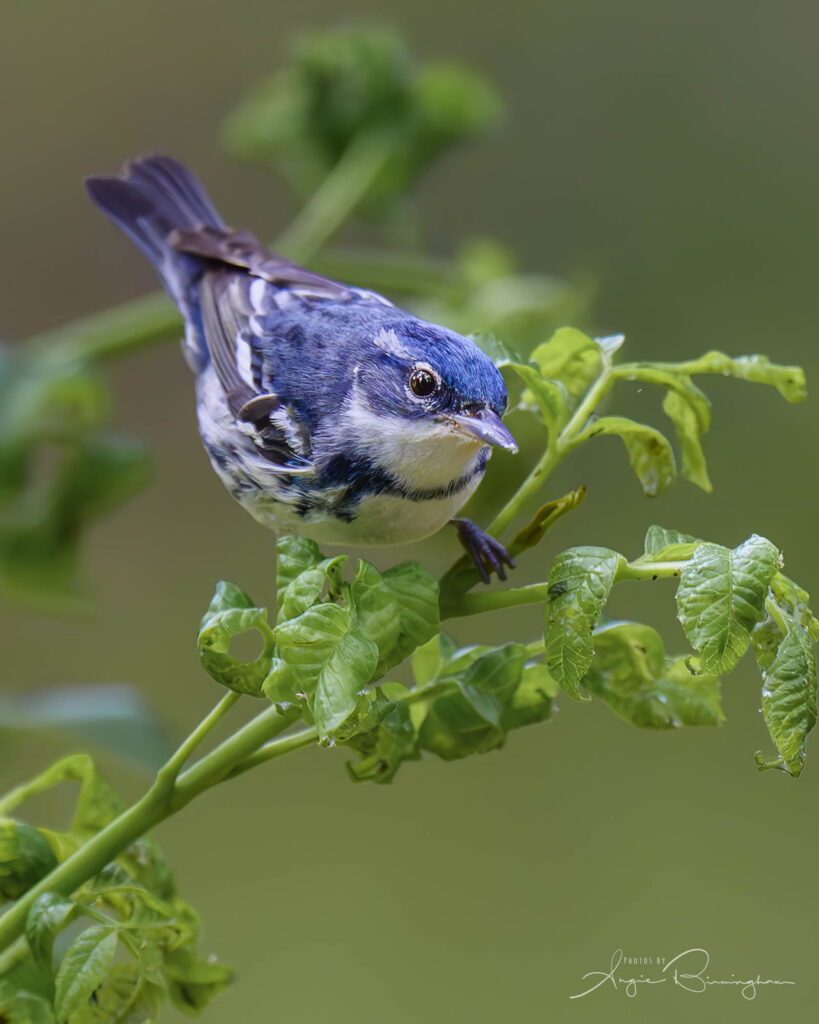
A sharp bird is a good start. A photograph with clean backgrounds, pleasing light, room for the bird to look or fly into, and a sense of place is the kind of image people remember. In the field, instructors can point out a distracting branch, suggest a lower angle, or help you wait for a better background rather than firing a hundred nearly identical frames.
That does not mean every image needs to look like a magazine cover. Sometimes, a bird tucked into thick habitat tells a more honest story. The key is making that choice intentionally.
What a Good Workshop Experience Should Feel Like
Small-group instruction is more than a pleasant perk. It is what allows an instructor to look at your images, notice what your camera is doing, and offer advice that actually applies to you. A beginner may need help getting out of Auto mode. An intermediate photographer may be working on flight tracking, exposure compensation, or creating cleaner backgrounds. Both should feel welcome.
At Jeff & Angie Photography, we make that personal attention central to your experience. Questions about lenses, camera menus, trip logistics, or whether you are “good enough” to attend are always fair questions. You do not need to arrive with a perfect portfolio. You need curiosity, a willingness to practice, and clothing that can handle being outdoors before breakfast.
Expect a workshop to involve waiting, watching, and sometimes changing plans. Wildlife does not operate on our schedule. A guide can put you in a promising location at the right time, but nobody can honestly promise that a particular species will land on the perfect perch in perfect light. Transparent expectations make the great moments even better, because you are there to learn the process, not chase a guaranteed trophy shot.
Choosing the Right Texas Bird Photography Workshop
Start by considering what you want to improve. If your biggest challenge is camera confidence, look for a workshop that welcomes beginners and includes hands-on help with settings. If you already understand exposure, seek an experience that emphasizes bird behavior, flight photography, composition, and more advanced field techniques.
It also helps to ask practical questions before reserving a spot. How large is the group? How much walking or standing is involved? Are the locations accessible? What is the typical weather? Is lodging included, or are you responsible for it? Is there assistance available before the workshop if you are uncertain about what gear to bring?
Gear requirements deserve an honest look, too. A long lens can help, particularly for small or distant birds, but you do not need the largest, priciest lens on the market to learn a great deal. A camera with manual or semi-manual controls and a telephoto lens is a solid starting point. Bring the gear you own, learn to use it well, and avoid buying something expensive just because a forum said you must.
A tripod, monopod, or handholding strategy can be useful depending on the location and lens weight. Comfortable shoes, layers, rain protection, water, sunscreen, and patience are equally valuable. The last item is easy to forget and impossible to rent.
 Make the Most of Your Time in the Field
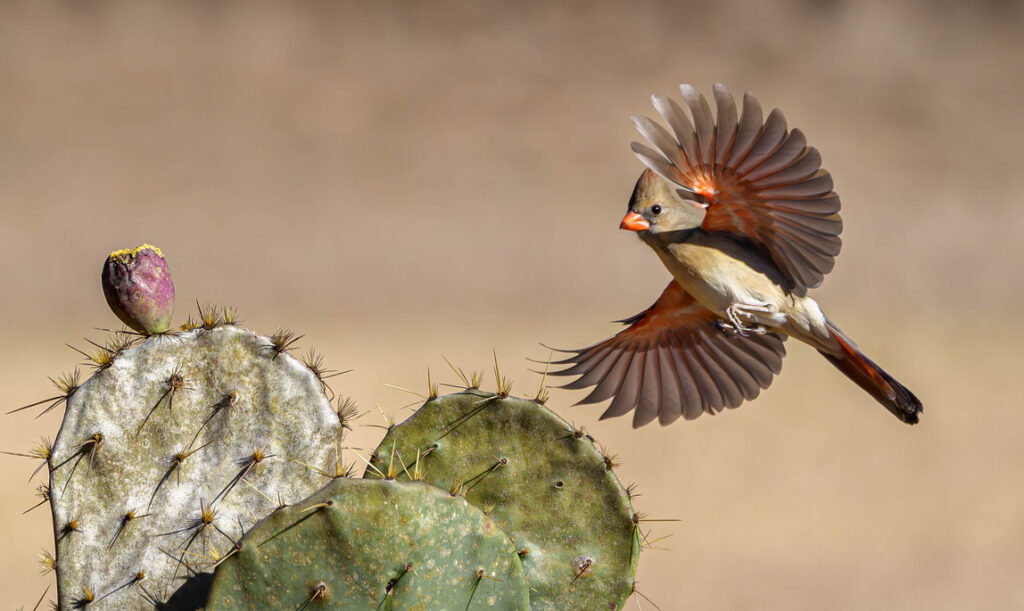
Come prepared to make mistakes. You may clip a wing, miss focus, choose the wrong shutter speed, or discover that your autofocus was happily locked onto a reed instead of the bird. That is not failure. It is useful information, and a workshop gives you the chance to correct it while the opportunity is still in front of you.
Do not spend the entire day staring at the back of your camera, either. Review a few frames when you need to check exposure or focus, then get your eyes back on the subject. Birds often give you a brief window of beautiful behavior, and presence matters.
Finally, remember that ethical bird photography comes first. Keep a respectful distance, avoid disturbing nests or feeding birds, and let the bird’s welfare guide every decision. A photograph is never worth causing stress to the animal that made it possible.
The best days for bird photography in Texas leave you with more than full memory cards. You head home knowing why your camera made the choices it made, how to respond when the next bird takes flight, and just how much more there is to see when you slow down and look closely.