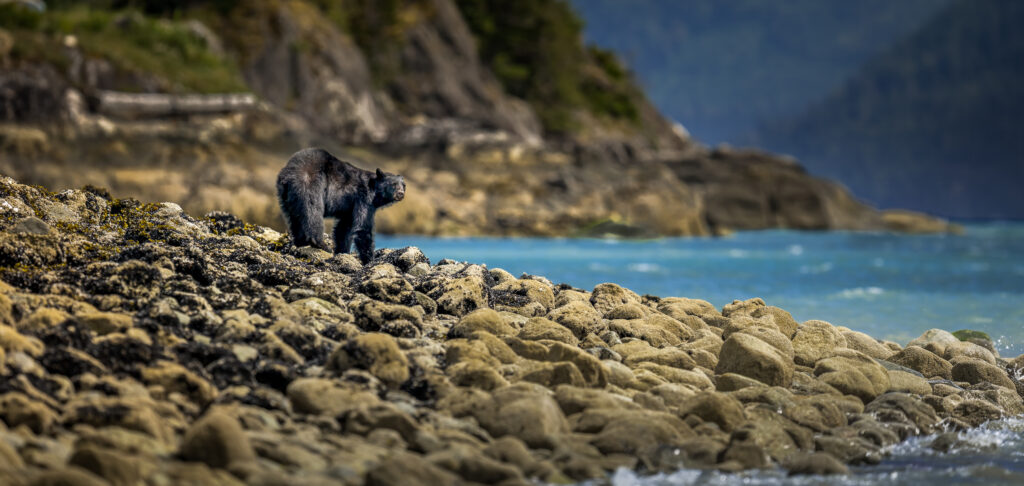
 A photograph can do more than fill an empty spot above the sofa. The right fine art wildlife prints can bring you back to a frosty Yellowstone morning, a quiet marsh at first light, or that split second when a bird turns its head and catches the sun just right. They are a way to keep a real encounter close, even when your boots are dry and your camera bag is put away.
For wildlife lovers, birders, and photographers, choosing art for your home is rarely just about matching the curtains. You are choosing a feeling, a story, and a daily reminder to slow down and look a little harder at the wild places around us.
What Makes a Wildlife Print Fine Art?
Not every image of an animal becomes a fine-art print simply because it is sharp or technically difficult to capture. Wildlife photography asks plenty of the photographer: patience, fieldcraft, light awareness, camera skills, and a willingness to wait while the subject does absolutely nothing interesting. But a fine-art image also needs intention.
It may be the graphic sweep of a snowy owl against a soft winter sky. It may be the expression of a fox emerging from tall grass or the color and texture of a great egret moving through a quiet wetland. The animal matters, of course, but so do the light, background, composition, and mood. A strong print invites you to stay with it for more than a quick glance.
That is part of the joy of wildlife art. The longer you live with an image, the more you notice: the detail in a wing, the rim light along a bison’s coat, the tiny reflection in an eye, or the weather rolling through a distant landscape.
Choose the Image Before the Size
It is tempting to begin with measurements. You have a wall, a frame, and perhaps a spouse who has already asked whether the new print is going to fit. Fair questions. Still, start with the image itself.
Ask yourself what you want to feel when you see it every day. A close wildlife portrait can feel personal and powerful. A wider environmental scene makes room for the animal’s habitat and often brings a calmer, more spacious mood. Neither approach is better. It depends on whether you are drawn to connection with the subject or the sense of being there.
Bird photographs offer especially different possibilities. A frame-filling portrait of a colorful songbird can bring energy to a small room. A shorebird standing in a broad coastal landscape may feel quieter and more contemplative. Images of birds in flight can add movement to a hallway, office, or entryway, where people naturally pass by rather than linger.
Consider your own memories, too. Maybe you have visited Caddo Lake, watched cranes in a field, or dreamed for years of seeing Alaska’s wildlife. A print connected to a place you love will keep earning its place on the wall long after a purely decorative choice has lost its sparkle.
Let the Room Help You Decide
A wildlife print does not need to blend into the background, but it should have room to breathe. Before ordering, take a photo of the wall and measure the available space. Painter’s tape is wonderfully useful here. Mark the dimensions of the proposed print on the wall, step back, and see how it feels from across the room.
Large prints can create a genuine focal point. They work beautifully over a fireplace, behind a dining table, or on a broad living room wall. The trade-off is that a large, high-impact image needs some visual breathing room. If the surrounding area is already busy with shelves, patterns, and family photos, a simpler image or a more modest size may be the better call.
Smaller prints are not second-best. A thoughtfully placed 11-by-14 or 16-by-20 print can transform a reading nook, desk area, or narrow wall. Grouped prints can also tell a story—perhaps a set of birds from the same habitat, or a collection that moves from a close portrait to a wider landscape.
Pay attention to color, but do not become overly fussy about it. A warm fox image can complement neutral rooms and natural wood tones. Cool blues, snowy scenes, and water backgrounds often feel at home in clean, airy spaces. A dramatic black-and-white wildlife photograph can work almost anywhere because it brings emphasis to shape, texture, and emotion rather than a specific color palette.
Print Materials Change the Experience
The same photograph can feel quite different depending on how it is printed and displayed. This scenario is where it helps to think beyond a digital file or a social media image viewed on a bright phone screen.
Fine-art paper often has a soft, tactile quality and beautiful detail in subtle tones. It is a wonderful choice for images with gentle light, feathers, fur, mist, and delicate backgrounds. Paper prints are also flexible when it comes to framing, whether you prefer a classic mat or a clean, contemporary look.
Canvas can give an image a warmer, more painterly presence. It tends to work well for larger statement pieces and rooms with relaxed, natural textures. Metal prints are often more vivid and crisp, with a modern finish that can make water, snow, or richly colored birds really pop. They can be especially practical in brighter rooms, though the surface and reflection are worth considering before you decide.
There is no universal winner. A soft portrait of a deer in fog may shine on fine-art paper, while a bright kingfisher over sparkling water might feel right at home on metal. If you are unsure, ask about the intended display environment and view samples whenever possible. The best material supports the mood of the image rather than competing with it.
Why Ethical Wildlife Photography Matters on Your Wall
A print is also an invitation into the moment it captures. That makes the photographer’s approach worth considering.
Responsible wildlife photography puts the animal first. It respects distance, avoids disturbing nesting birds and sensitive habitats, and does not force an encounter for the sake of a photograph. The most meaningful wildlife images are often made through patience, not pressure. A photographer may spend hours observing behavior, waiting for the right light, and letting the animal remain completely wild.
That ethic adds depth to the finished piece. When you hang a print of a fox, bear, owl, or wading bird, you want to know the image came from a respectful moment in nature, not from a situation created at the animal’s expense. It is good photography, but it is also good stewardship.
Make It Personal, Not Perfect
There is a lot of pressure around home decor to get every choice exactly right. We think art deserves a more human approach. Choose the image that makes you pause. Choose the bird that reminds you of your grandmother’s backyard feeder, the landscape that makes you want to pack a camera, or the wildlife portrait that made you grin before you could explain why.
At Jeff & Angie Photography, we have seen how a single photograph can hold an entire morning in the field: cold fingers, muddy boots, laughter with friends, and the thrill of finally seeing the light come together. A fine-art print can carry some of that feeling into the everyday spaces where life actually happens.
You do not need a gallery-sized home or a perfectly planned wall to enjoy wildlife art. Start with one image that feels honest, alive, and connected to a place or creature you care about. Give it a good spot, let it catch your eye often, and allow it to remind you that there is always more wonder outdoors than we can fit into one frame.