
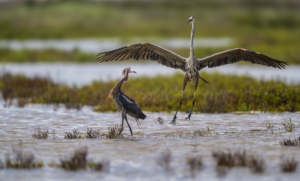
 You spot a magnificent great blue heron lifting off from the shoreline. By the time you find the right setting, the bird is already a blue-gray speck over the trees. That moment can make a new camera feel like it came with a second job description. Photography mentorship for beginners is designed for exactly this stage: when you are excited about what is possible but tired of guessing which button, setting, or lens choice will get you there.
A good mentor does not simply hand you a list of camera settings. They help you understand what you are seeing, make a decision in the moment, and learn why that decision worked. For wildlife, bird, landscape, and travel photographers, that kind of personal guidance can turn a frustrating outing into a real breakthrough.
What a Photography Mentor Actually Helps You Do
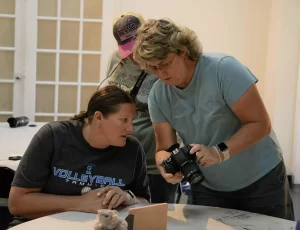 Mentorship is more personal than watching a tutorial and more flexible than a one-time class. Your mentor gets to know your camera, your goals, your experience level, and the kinds of photographs that make you stop scrolling. Maybe you want birds in flight that are actually sharp. Maybe you want to come home from a national park trip with more than a collection of snapshots. Maybe your camera has spent too much time in Auto mode because the rest of the dial feels like a foreign language.
A mentor can meet you where you are and help you build skills in the right order. That may mean starting with shutter speed and autofocus instead of jumping immediately into complicated editing. It may mean learning to recognize better light before investing in another lens. The best instruction is not about making photography feel complicated. It is about helping the pieces finally make sense.
For outdoor photography, context matters. A fast-moving warbler, an elk at dawn, fog drifting across Caddo Lake, and a quiet sunset all ask different things of your camera and your attention. A mentor can explain the technical choices but also teach field awareness: where to stand, how to approach wildlife responsibly, when to wait, and when the light is telling you to try something new.
Why Beginners Often Improve Faster With Personal Guidance
Most beginners do not lack information. There is plenty of information available, and that is part of the problem. One video says to always shoot wide open. Another says never to use a high ISO. A third recommends settings that work beautifully for a studio portrait but not for a hawk flying against a bright Texas sky.
Mentorship replaces conflicting advice with feedback that applies to your photograph, your camera, and your situation. Instead of hearing that a blurry image needs “better settings,” you can learn whether the issue came from shutter speed, focus placement, camera movement, a subject moving toward you, or a combination of all four. That is a much more useful lesson because you can repeat it the next time.
It also builds confidence without the pressure of trying to perform. A patient mentor expects missed focus, overexposed skies, accidental button presses, and a few wonderfully creative mistakes. We have all been there. The goal is not to pretend you know everything. The goal is to get comfortable asking questions before a once-in-a-lifetime moment appears.
You learn the controls that matter first
Modern cameras can do a remarkable number of things, which is great until you are standing in front of a menu with 14 autofocus options. Beginners usually benefit from a simple, reliable starting setup rather than a tour of every feature.
Your mentor may help you set up a practical shooting mode, choose a focus area, assign useful buttons, and understand exposure compensation. Once those core tools feel familiar, you can make adjustments quickly instead of hunting through menus while the action happens somewhere else.
You get feedback before bad habits settle in
Reviewing your images with someone experienced is one of the quickest ways to improve. A mentor can point out that your bird images are sharp but consistently framed too tightly or that your landscapes would benefit from a stronger foreground. Just as valuable, they can show you what is already working.
That balance matters. If every image review becomes a long list of flaws, photography stops being fun. Helpful critique gives you one or two clear things to practice while reminding you that progress is happening.
Choosing the Right Photography Mentorship for Beginners
Not every mentorship program fits every photographer. Before committing, consider what kind of support will genuinely help you use your camera more often. Some people thrive with a private session focused on their specific questions. Others prefer monthly mentorship, where they can practice between meetings, share images, and keep building over time.
Look for a mentor who teaches the kind of photography you want to make. A talented commercial photographer may be excellent at lighting portraits, but that does not automatically mean they can help you track a flying bird through brushy habitat or plan for a winter wildlife trip. If nature photography is your goal, seek someone with real field experience and a teaching style that feels welcoming rather than intimidating.
Ask how feedback works. Will the mentor review your images? Can you ask gear questions? Is the instruction hands-on, virtual, or both? There is no single right answer. A virtual mentorship can be a terrific fit if you need flexible scheduling or want regular editing feedback. In-person guidance is especially valuable when you need help handling your camera in changing light, practicing autofocus, or learning how to work around wildlife without disturbing it.
Be honest about your goals, too. If you are preparing for a trip to Yellowstone, Nome, or a favorite local refuge, tell your mentor. A focused plan can help you practice the skills you will actually need. If you mostly want to photograph backyard birds, that is a worthy goal as well. You do not need an expedition-level dream to deserve thoughtful instruction.
How to Make Mentorship Worth Your Time
You do not need to arrive with perfect questions or a portfolio full of award winners. Showing up curious and willing to practice is enough. Still, a little preparation helps you get more from each session.
Bring a few recent images you like and a few that frustrate you. Leave the failures in the folder. They often teach the most. Make a note of what was happening when you took them: Was the subject moving? Was the sun behind it? Did you use a long lens while holding it by hand? Those details help a mentor diagnose the problem much faster.
Between sessions, set yourself a small assignment. Photograph birds at a feeder using one autofocus setting. Return to the same landscape at two different times of day. Practice adjusting exposure compensation until it becomes less mysterious. Repetition may not sound glamorous, but it is how camera controls become second nature.
Avoid buying gear just because you feel stuck. Occasionally a new lens is the right tool, especially if your goals have outgrown your current setup. Often, though, a mentor can help you get far more from the camera and lens already in your bag. That is good for your budget and better for your confidence.
What Growth Can Look Like After a Few Months
Progress rarely arrives as one dramatic before-and-after image. It usually shows up in quieter ways. You start noticing the direction of light before you raise your camera. You know which shutter speed to reach for when a bird takes flight. You look at the edges of your frame before pressing the shutter. You return home with fewer images that are nearly right and more that bring you joy.
You may also discover that the experience of being outdoors changes. Instead of constantly worrying about settings, you have more room to notice an animal’s behavior, the color of the clouds, or the sound of the water around you. The photograph still matters, of course. But so does the morning you spent waiting for it.
At Jeff & Angie Photography, that is why personal instruction is built around real questions and real shooting situations, not a race through a technical checklist. A camera is a tool. The confidence to use it in the field is what allows the adventure to begin.
The next time you see that heron rise from the shoreline, you may not control where it flies. But with practice, patient feedback, and a few settings you truly understand, you will be ready to follow it.