
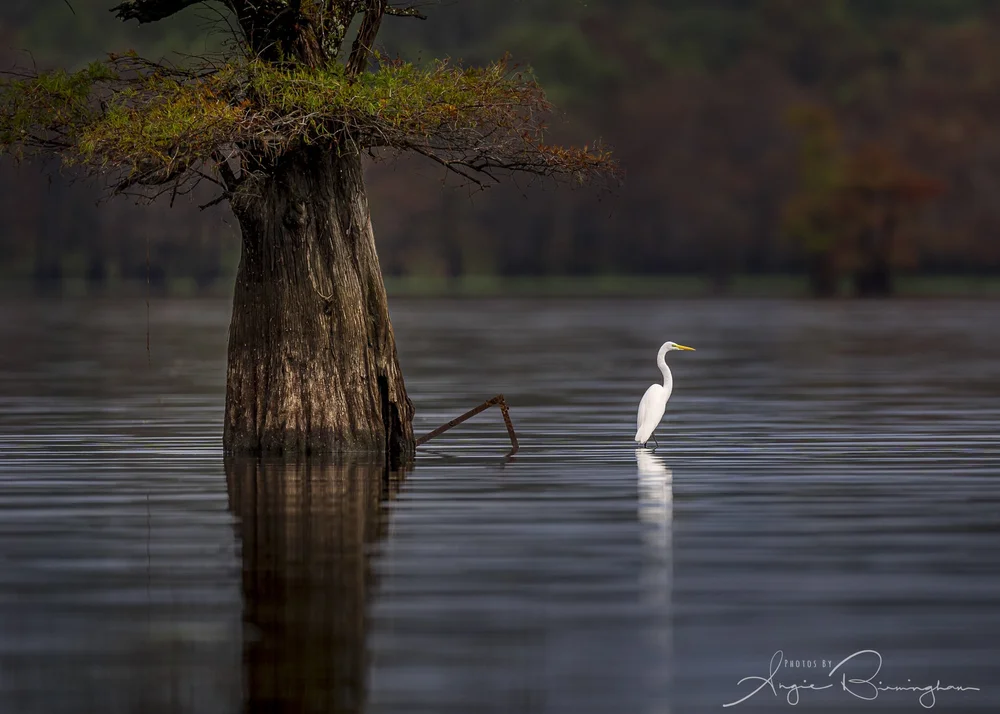
 Before sunrise at Caddo Lake, the water can look like polished black glass, broken only by a heron lifting from the shallows or a paddle dipping from a nearby canoe. Spanish moss hangs from bald cypress trees, fog settles into the channels, and the scene changes by the minute. A Caddo Lake photography workshop gives you more than a beautiful place to point your camera. It gives you experienced help making decisions while that fleeting light is actually happening.
This is not a destination where you need to arrive with every camera setting memorized. It is a place to slow down, notice the layers in a scene, and learn how to turn a dramatic morning into photographs that feel like the experience. Whether you shoot with a mirrorless camera, DSLR, or a camera you are still getting to know, field instruction can make a real difference.
Why Caddo Lake Is Made for Nature Photographers
Caddo Lake sits along the Texas-Louisiana border and has a personality all its own. Its maze of waterways, towering cypress trees, lily pads, moss, and wildlife creates a scene that can feel wild, quiet, and a little mysterious all at once. It is especially rewarding for photographers who enjoy landscapes but also want opportunities for birds and other wildlife.
The big draw is atmosphere. On a calm, foggy morning, reflections can be as compelling as the trees themselves. On a brighter day, the challenge shifts toward finding clean compositions, managing contrast, and using light intentionally rather than hoping the weather does all the work.
That variety is exactly why this setting is such a good classroom. You may photograph a wide, layered cypress scene one moment, then turn your attention to a great egret, anhinga, turtle, or close detail in the moss. The goal is not to collect a pile of identical postcard images. It is to learn how to see what the lake gives you each day.
 What Happens at a Caddo Lake Photography Workshop
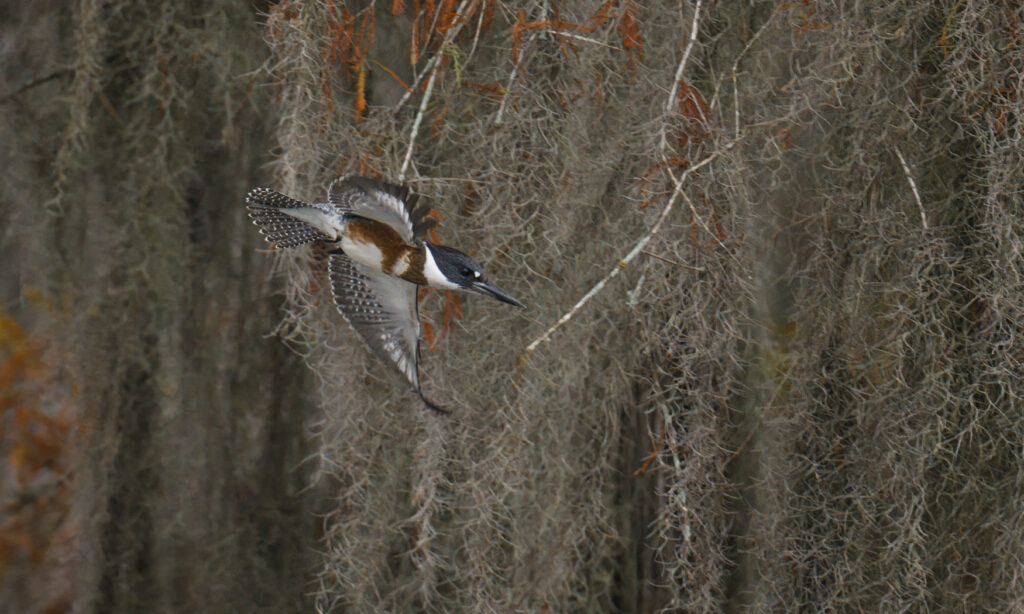
A strong workshop is built around the best conditions, not a rigid clock. That usually means early starts, because sunrise light and morning fog are part of the magic here. You may work from a boat or canoe with a local guide, depending on the workshop plan and water conditions, then return later for image review, instruction, or an afternoon and sunset session.
Out on the water, your instructors are not standing at a distance calling out general advice. They are helping you solve the real problems in front of you: where to place the cypress trunk, whether the reflection strengthens the frame, how much sky to include, and when a horizontal image works better than a vertical one.
You will also get practical support with camera settings. For a still landscape, that may mean choosing a narrow aperture for depth of field, lowering ISO when the boat is steady enough, and watching your histogram so bright fog does not lose its delicate detail. For a bird in flight, the conversation changes quickly to shutter speed, autofocus settings, tracking technique, and positioning yourself for a cleaner background.
That is the value of learning in the field. A setting that makes perfect sense in a classroom can fall apart when a breeze moves the moss, the boat shifts, or a bird appears without asking whether you are ready. With someone beside you, those moments become useful practice instead of frustrating misses.
Small groups make the teaching personal
Caddo Lake is not the place for a crowd of photographers all competing for the same spot. Small groups create room to ask questions, try an idea, and get feedback that applies to your camera and your goals. If you are new to manual or aperture-priority shooting, you should feel comfortable saying so. If you are already confident with exposure and want help creating stronger compositions, you need instruction that meets you there.
At Jeff & Angie Photography, the focus is on helping each participant move forward, not showing off how complicated photography can be. Sometimes the most useful coaching is technical. Occasionally it is a gentle reminder to put the camera down for a second, look around, and decide what caught your attention in the first place.
 The Skills You Can Practice on the Lake
Caddo Lake rewards patience, but it also teaches useful techniques you can bring home to any nature destination. The setting is rich enough to work on several areas of photography without feeling like you are checking items off a list.
You can practice building depth with foreground elements, curving waterways, and overlapping trees. You can learn to simplify a busy scene by changing your angle just a few feet or by using a longer focal length to isolate a graphic arrangement of trunks and moss. When fog rolls in, you can explore how exposure compensation affects those luminous whites and soft gray tones.
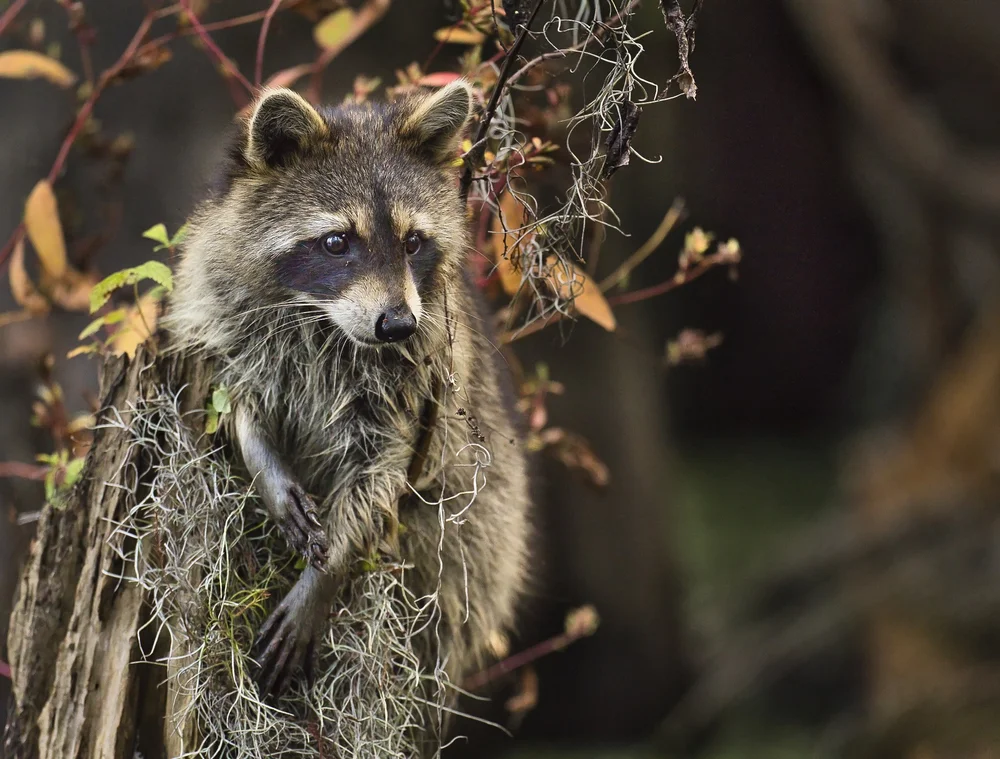
Wildlife opportunities add another layer. Birds may be perched, moving through the trees, or passing overhead. Rather than relying on luck, you can practice anticipating behavior, selecting a focus area, and keeping enough shutter speed for the subject you are photographing. A bird sitting quietly on a branch requires a different approach than a fast-moving subject in uneven morning light.
You will likely spend time talking about editing, too. Caddo Lake images can tempt photographers to push clarity, saturation, and dehaze too far. Sometimes a bold edit works. Often, the strongest image keeps the softness that made the moment memorable. Learning to preserve mood without making the file look artificial is a skill worth carrying into every landscape session.
What to Bring and What Not to Worry About
Bring the camera and lenses you use most, extra batteries, plenty of memory cards, a rain cover, layers for cool and damp mornings, and comfortable clothing that can handle the outdoors. A wide-angle lens is useful for expansive scenes, while a telephoto lens can help with wildlife and compressed compositions. If you have both, bring both, but do not assume you need a giant collection of gear to participate.
A tripod can be helpful for low-light landscapes on solid ground, though it is not always practical from a moving boat. Your instructors can help you decide when handheld shooting is the better choice. A polarizer may help manage glare in certain conditions, but it can also reduce reflections you actually want to keep. This is a great example of why there is no one-setting answer at Caddo Lake.
Most importantly, do not worry if you have questions about your gear. Bring the camera you own. A workshop is a far better place to understand what it can do than your kitchen table, especially when the lesson comes with foggy cypress trees outside the viewfinder.
 Weather, Wildlife, and Honest Expectations
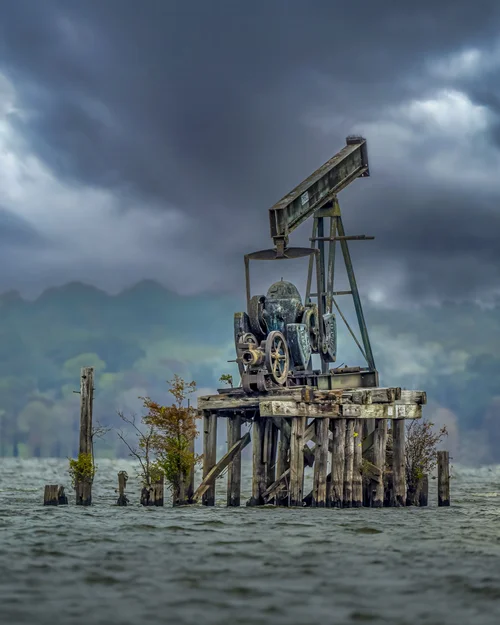
Caddo Lake is a real outdoor environment, which means weather is part of the experience. Fog is wonderful when it appears, but it cannot be ordered. Wildlife is never guaranteed. Water levels, wind, cloud cover, and seasonal conditions all influence what you see and photograph.
That uncertainty is not a flaw in the trip. It is part of nature photography. The best workshops help you work with the conditions rather than wait for a fantasy version of them. A cloudy morning may offer soft, even light for intimate scenes. Wind may make mirror reflections difficult but can bring movement and energy to a composition. A clear sunrise can be spectacular, but it may also require more careful contrast control.
Come with a shot list if it helps you focus, but leave room for surprises. Some of the photographs participants love most are not the ones they planned before arriving.
Is this workshop right for beginners?
Yes, if you are ready to learn and willing to get up early. Beginners and advanced beginners benefit from direct help with exposure, focus, composition, and confidence. Intermediate photographers often gain the most from refining their visual choices and getting honest feedback in a setting that offers plenty of variety.
You do not need to know every button on your camera. You do need to be open to practicing. The goal is progress, not perfection by breakfast.
Will I get good photos if the conditions are not perfect?
You can make meaningful photos in many kinds of conditions, but no responsible instructor can promise a specific wildlife encounter or a fog-filled sunrise. What a workshop can promise is guidance that helps you recognize possibilities, adapt your technique, and come home more capable than when you arrived.
Caddo Lake has a way of rewarding photographers who stay curious. Bring your questions, your camera, and a willingness to see beyond the obvious frame. The next quiet bend in the water may be the one you remember long after the trip is over.