 Table of Contents
- What to Look for When Booking a Wildlife Photography Expedition
- Wildlife Photography Workshops vs. Large Group Tours
- Choosing a Photography Workshop That Matches Your Skill Level
- How Wildlife Photography Tour Duration Affects Your Experience
- Your Photography Expedition Packing List: Gear, Clothing, and Extras
- What Booking a Wildlife Photography Expedition Really Costs
- Fitness, Accessibility, and Insurance: What Most Guides Skip
- Conclusion
- Frequently Asked Questions
Last Updated: September 27, 2026
What to Look for When Booking a Wildlife Photography Expedition
Booking a wildlife photography expedition is less about finding the most dramatic itinerary and more about vetting the people who will stand beside you at sunrise. This guide from Jeff and Angie Photography walks through the decisions that actually shape your images: group size, guide experience, conservation ethics, and the questions most photographers forget to ask until they’ve already paid.
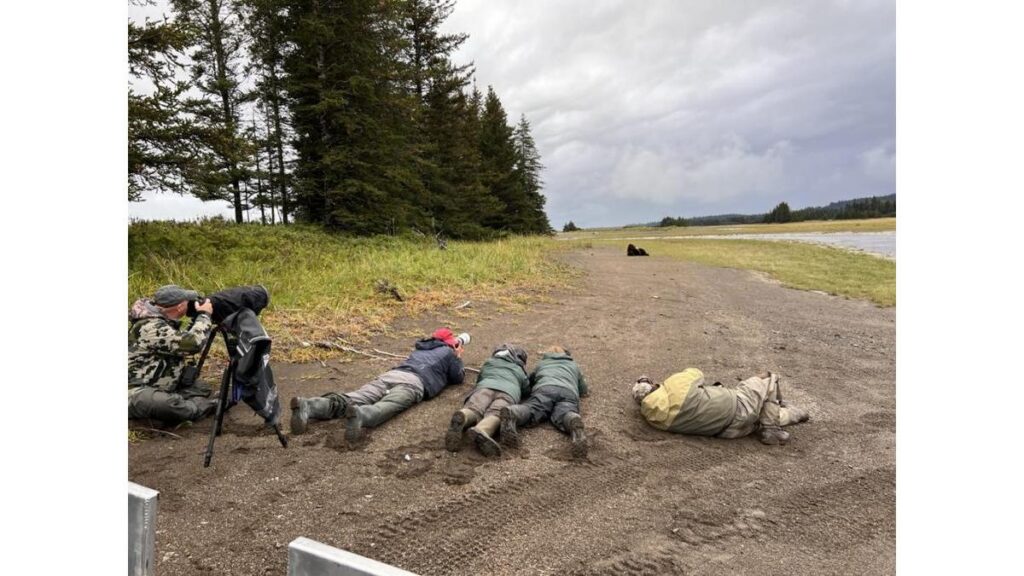
The single biggest predictor of a successful trip is group size. Small groups mean more one-on-one field time, less jostling for position, and guides who can adapt when wildlife behavior shifts.
Group Size, Guide Experience, and Conservation Ethics
Wildlife photography workshops live or die on three things: how many people are in the vehicle, who’s leading it, and how the operator treats the animals.
- Group size: Six to eight photographers per guide is a workable ceiling. Beyond that, tripod stability and sight lines suffer.
- Guide experience: Look for leaders who shoot in real light and real moments, not just portfolio showpieces.
- Conservation ethics: Ask how the operator maintains distance from wildlife, whether they use established habitat corridors, and how they handle ethical wildlife observation when an animal is stressed.
Questions to Ask Before You Put Down a Deposit
Before any money changes hands, get clear answers in writing. Ask what’s included in the quoted rate, how many participants share a vehicle, whether meals and transportation to shooting locations are covered, and what happens if weather or wildlife behavior cancels a session. Ask to see participant images, not just the leaders’ professional work. Ask how much hands-on instruction you’ll actually receive versus being pointed at a landscape and told to figure it out.
A common mistake is booking on the itinerary alone. If the operator is unable to provide the group size or participant galleries, it may be best to consider other options. Hidden costs and cramped vehicles are the two most common post-booking complaints.
Wildlife Photography Workshops vs. Large Group Tours
Wildlife photography workshops are small-group, instruction-first trips built around field craft and personalized teaching. Large group tours are logistics-first: they move more people to more places with less individual attention. The distinction matters most when lighting conditions change fast and you need a guide’s eyes on your settings.
Choosing a Photography Workshop That Matches Your Skill Level
The best photography workshop is the one pitched at your actual level, not the one you aspire to. Operators who run mixed-level groups without differentiation tend to leave beginners lost and advanced shooters bored.
Beginner, Intermediate, and Advanced: What Each Level Needs
- Beginner: Hands-on help with manual mode from scratch, patient repetition, and permission to ask “basic” questions without judgment.
- Intermediate: Refinement of composition, lighting conditions, and storytelling, plus honest critique.
- Advanced: Real-light wildlife photography, small-group instruction, and space to work independently with a leader nearby.
Ask directly: “Will there be people at my level?” A skilled operator answers without hesitation.
How Wildlife Photography Tour Duration Affects Your Experience
Longer isn’t automatically better. A three-day trip in one habitat often produces stronger work than a ten-day sprint across four ecosystems, because wildlife tracking rewards time in place. Seasonality matters too: many species have narrow windows when behavior is most photographable.
Your Photography Expedition Packing List: Gear, Clothing, and Extras
A packing list for a photography expedition should solve two problems: capturing the shot and staying comfortable long enough to wait for it. Overpacking gear you won’t use costs you mobility; underpacking leaves you helpless when a telephoto lens moment appears.
Camera Gear and Accessories
- A telephoto lens covers most wildlife work
- Spare batteries and memory cards, doubled from what you think you need
- A sturdy tripod for stability during long waits
- Rain cover and lens cloths
- A notebook for field notes on settings and behavior
Clothing, Comfort, and Field Essentials
Layer for cold mornings and warm afternoons. Neutral colors help reduce disturbance to wildlife. Bring broken-in boots, a wide-brim hat, insect protection, and a small daypack for water and snacks. Comfort is not a luxury on a photo expedition; it’s what keeps you in position when the light finally turns.
What is booking a wildlife photography expedition? Really Costs
Pricing depends on destination, duration, group size, season, and what’s bundled. Rather than quoting a number that won’t match your trip, treat the quote as a checklist and understand the levers that move it.
What Actually Drives the Price
- Destination and access: Remote habitats that require charter flights, permits, or specialized vehicles cost more than locations reachable by road.
- Duration: Longer trips spread fixed costs (permits, guide time, transport) over more days, so the per-day rate often drops even as the total rises.
- Group size: Smaller groups cost more per person because the same guide, vehicle, and permits are split among fewer travelers. A six-person trip is almost always priced higher per seat than a twelve-person trip.
- Season: Peak windows for specific wildlife behavior command higher rates and book out earlier.
- Inclusions: Lodging tier, meal coverage, park fees, and whether internal flights are bundled can swing the total more than the headline rate suggests.
Reading an Itemized Quote
Ask for a written inclusions and exclusions list before you compare two trips. Confirm whether the quote covers:
- Accommodation and whether it’s single or shared occupancy
- All meals versus some meals
- Ground transportation to and from shooting locations
- Park fees, permits, and conservation levies
- Internal flights or transfers between regions
- Guide-to-participant ratio
- Tips, gratuities, and personal expenses
Request an itemized inclusions list before you compare two trips. A lower headline rate often excludes meals, transport, or park fees, which quietly raises the real cost once you add them back.
Deposits, Cancellation, and Payment Terms
Ask how much of the total is due at booking, when the balance is due, and what the cancellation policy looks like at each stage. Wildlife trips often have non-refundable permit and lodge deposits, so the refund schedule may step down rather than disappear at once. Confirm whether the operator offers trip interruption coverage or requires you to carry your own.
Fitness, Accessibility, and Insurance: What Most Guides Skip
Most guides gloss over physical demands and gear insurance, yet these are the two areas that most often derail a trip. Be honest about your mobility, stamina, and comfort with early starts, and protect the equipment you’re bringing.
Physical Demands and Accessibility Considerations
Wildlife photography days are long and often static. Expect pre-dawn departures, uneven terrain, and extended periods of standing, kneeling, or sitting still in a hide or vehicle. Some locations offer vehicle-based viewing with minimal walking; others require hiking with gear over loose ground.
- How many hours per day are spent walking versus seated in a vehicle or hiding?
- What is the longest single walk, and over what kind of terrain?
- Are there stairs, steep grades, or soft ground that would challenge balance or a mobility aid?
- Can the vehicle reach shooting positions directly, or is a walk required?
- Is there a second guide who can stay with a slower-paced participant?
Protecting Expensive Gear With Travel Insurance
A telephoto lens and camera body can represent a serious investment, and standard travel policies often exclude professional gear or cap payouts well below replacement value. Look for a policy that covers scheduled camera equipment, and check the NAIC consumer insurance resources for guidance on reading policy terms.
Before you buy, confirm:
- Whether the policy covers theft, accidental damage, and water damage
- Whether gear must be listed individually (scheduled) or falls under a blanket limit
- Whether the policy covers gear in transit, in checked baggage, and in the field
- The deductible and whether depreciation reduces the payout
- Whether the policy excludes coverage in certain regions or activities
Fitness honesty and gear insurance are the two pre-trip decisions that most often determine whether a trip goes smoothly. Ask the operator direct questions, get answers in writing, and confirm your coverage before you pack.
Conclusion
The hardest part of a wildlife photography expedition isn’t the wildlife; it’s choosing the right people to stand beside you when the light breaks. Jeff and Angie Photography runs small-group workshops with personal, in-the-field instruction, upfront communication about expectations, and a focus on real light and real moments. If you want guidance tailored to your level, explore their photography workshops and mentorship or book a private session.
Frequently Asked Questions
What should I look for when evaluating a wildlife photography expedition?
Check group size first; small groups of six to eight let you get personalized instruction and better shooting angles. Ask how many guides lead each outing, whether they are photographers or general naturalists, and how they handle wildlife ethics. Request sample itineraries with daily shooting hours, not just destinations. Confirm what is included in the fee and what costs extra. A reputable operator will answer all of this upfront and connect you with past participants.
How far in advance should I book a wildlife photography tour?
For popular destinations and peak seasons, book six to twelve months ahead. Small-group wildlife photography workshops fill quickly because capacity is limited, and prime dates around migration or breeding seasons sell out first. Booking early also gives you time to arrange flights, travel insurance, and any visa requirements. If you are flexible on dates, ask about shoulder-season departures, which often have more availability and fewer crowds at shooting locations.
How do I know if a photography expedition is right for my skill level?
Look for operators who state skill requirements clearly and offer instruction for multiple levels. Beginner-friendly trips should include hands-on help with manual mode and camera settings. Intermediate trips assume you know your gear and focus on composition and storytelling. Ask whether instructors work with each participant individually or teach only to the group average. If a trip says advanced only, believe it; you will enjoy the experience more on a trip that matches your current abilities.
What gear is essential for a wildlife photography expedition?
A telephoto lens covers most wildlife situations. Bring a sturdy tripod or monopod for stability during long waits, extra batteries and memory cards, and a rain cover for your camera. Pack lens cleaning supplies because dust and moisture are constant. A beanbag helps when shooting from vehicles.